By Prakhar Mittal, ePGP 2022
The first time I walked into the Vikram Sarabhai Library, my posture changed without asking permission. The space has that kind of grandeur – quiet, serious, almost parental. It doesn’t hype you up. It steadies you. You feel the weight of everyone who has sat there before you and thought hard about something that mattered.
For my ePGP batch (2020–22), that feeling wasn’t a daily routine. It was a rare ritual.
We were a hybrid cohort built for working professionals: five campus visits across two years, and the rest of the program running on Zoom, right through the uncertainty of COVID. On paper, you could assume that a “screen-based IIMA” would feel diluted. What surprised me is the opposite: the campus didn’t fade. The traditions simply changed shape. The IIMA experience became… portable.
The best part is that we’re still a batch.
Our WhatsApp group isn’t noisy every day—everyone is busy, and that’s normal. We’re spread across continents now: some in the US, some in Canada, some in the EU, many in India, across industries and roles that barely overlap. But when someone needs support—career advice, a perspective, a connection—people show up. Not perfectly, not instantly, but sincerely, in their best capacity. That’s the real tradition: the reflex to help, even when life is full.
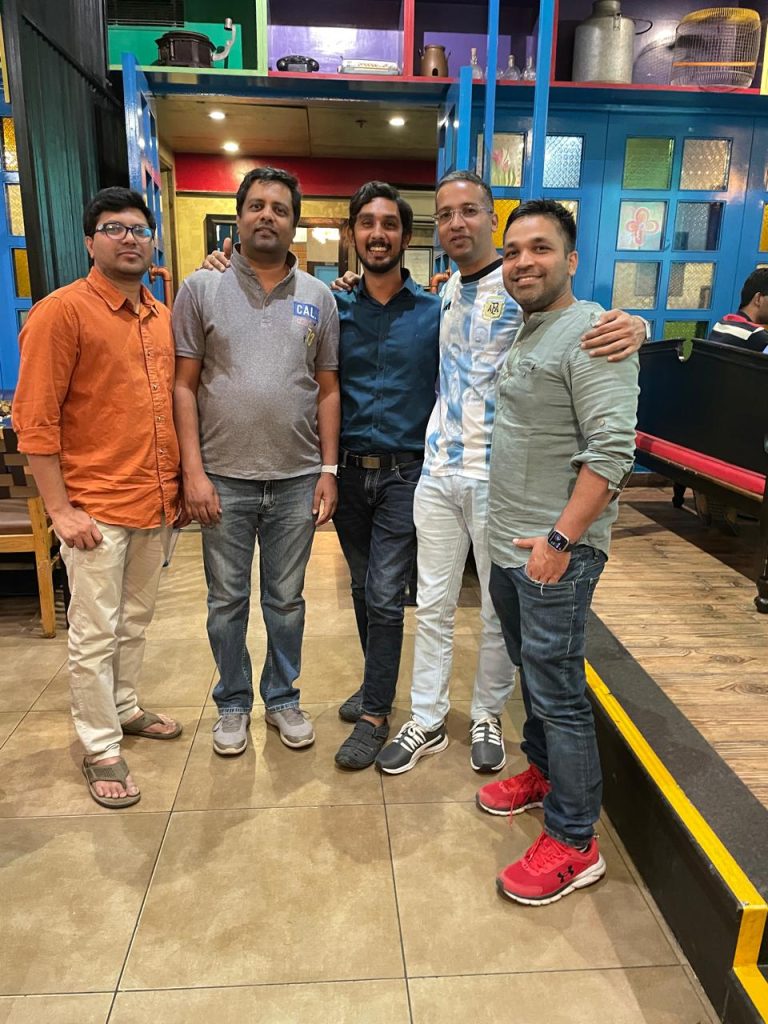
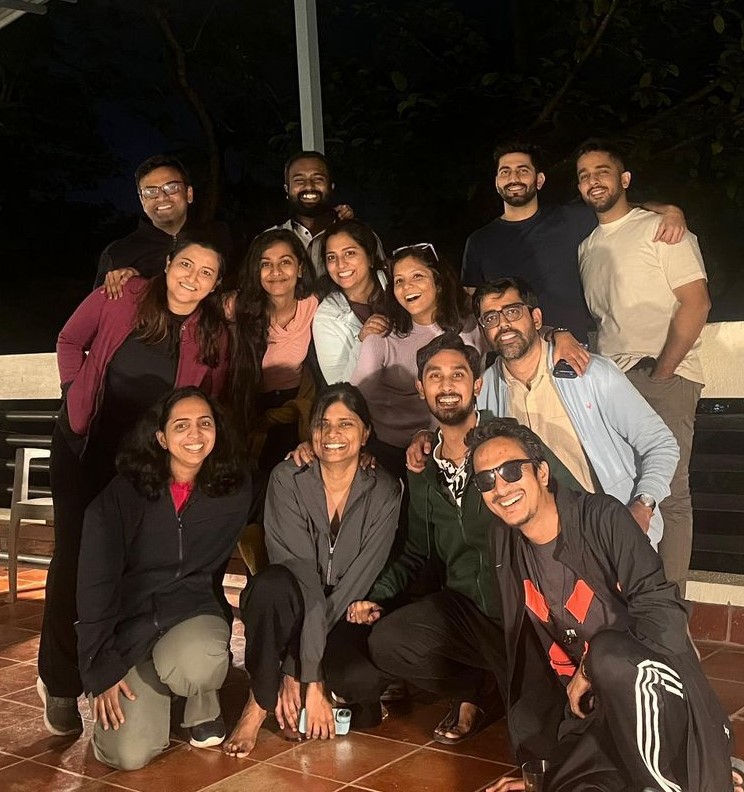
We still meet when we can. A small gathering happened in Pune to celebrate a batchmate’s bachelor event, and even after three years, 15+ people showed up. That number sounds ordinary until you remember what it took: distance, schedules, family commitments, time zones—and still, people came. Not for status. For each other.
Our cohort itself was unconventional, and that became its own kind of campus. Yes, IT was a strong presence (as it often is), but even within IT, it wasn’t one flavor—people came from very different roles and perspectives. And beyond that, we had professionals from government/PSUs, senior leaders from large Indian enterprises, founders and startup owners, and people with finance and regulatory ecosystem exposure. The experience range was wild too—some had 30+ years behind them, others had only a few intense years in startups.
That mix did something beautiful: it made lazy thinking impossible.
A case discussion hits differently when the person challenging you has lived a completely different professional reality. You start hearing questions you didn’t even know were missing: “What’s the regulatory consequence?” “Who actually bears the risk?” “What breaks when this scales?” “What would this look like in a real crisis?” In normal work life, we rarely get a room like that. At IIMA, we got it—just stitched together across time zones and calendars.
Because campus visits were limited, each one felt like a pilgrimage. You arrived hungry—not just for content, but for the feel of IIMA: the corridors, the courtyards, the pauses between sessions where the best conversations happen. The library was always the anchor. Walking in felt like returning to a part of yourself that had been waiting quietly while life stayed loud.
And life was loud. I did the program alongside a full-time job, with a young child at home, and I was blessed with a daughter during the program, around my third semester completion. Anyone who has lived that season knows the texture of it: you’re constantly negotiating with time. Every hour has a job. You learn in fragments. You show up tired. You show up anyway.
My grades tell the truth. I didn’t graduate with a perfect transcript. My grades ranged from D to A. Some terms I did well. Other times, life won. But the learning didn’t vanish when the grades dipped. In some ways, it became more real—because it was earned under constraint, not comfort.
Two electives still walk with me like permanent companions.
Elephants & Cheetahs gave language to a tension I face constantly: when to move with discipline and when to move with speed. In regulated, high-stakes environments, “fast” without rigor is not bravery, it’s danger. And “rigor” without learning speed becomes slow failure. What stayed with me most is the “tortoise” idea – steady, deliberate, built to last. I find myself using that metaphor even now when I’m deciding how to solve problems: don’t confuse motion with progress; choose the pace that protects what matters.
And Understanding Business through the Gita did something even deeper. It wasn’t abstract philosophy. It was practical grounding: do the work with sincerity, stay ethical under pressure, and don’t attach your peace of mind to outcomes you can’t fully control. During those two years, juggling work, family, and uncertainty, that mindset kept me grounded. Even today, it nudges me back into the present, into gratitude, and into doing what’s right even when nobody is watching.
Some traditions become shared stories, not just shared places. One campus visit included a trip to the Statue of Unity. It became an unexpected lesson in planning, coordination, and real-world “risk management.” You could watch how quickly intentions collapse when logistics get real—how people ditch at the last minute, how assumptions break, how group plans behave like living organisms. It was a funny, slightly chaotic reminder that the classroom and the world are not separate. The world just gives pop quizzes without telling you the syllabus.
I’m not arguing that hybrid learning should replace the full-time campus experience. Living on campus with peers is powerful. But I am convinced of this: hybrid models—done with rigor, not shortcuts—can carry real IIMA depth while making the experience possible for people who can’t pause life for two years.
IIMA’s traditions aren’t only buildings and routines. They’re habits of thought. Standards of debate. A shared seriousness about learning. I felt that in the Vikram Sarabhai Library—and, improbably, through a Zoom link.
And years later, I still carry it.
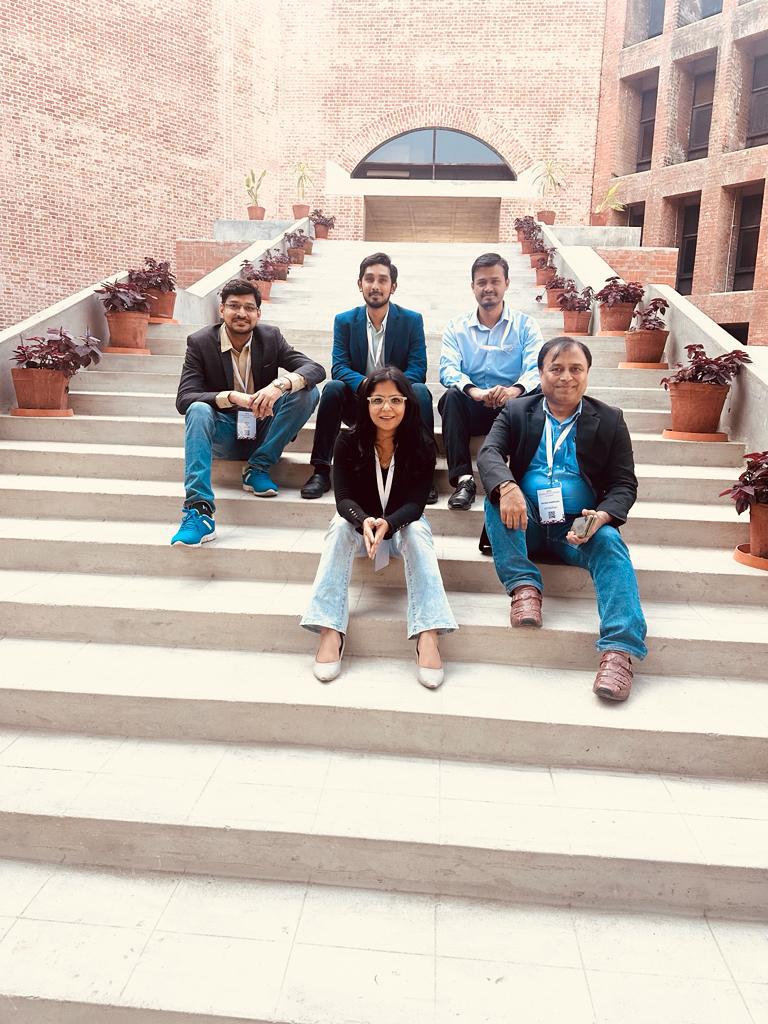
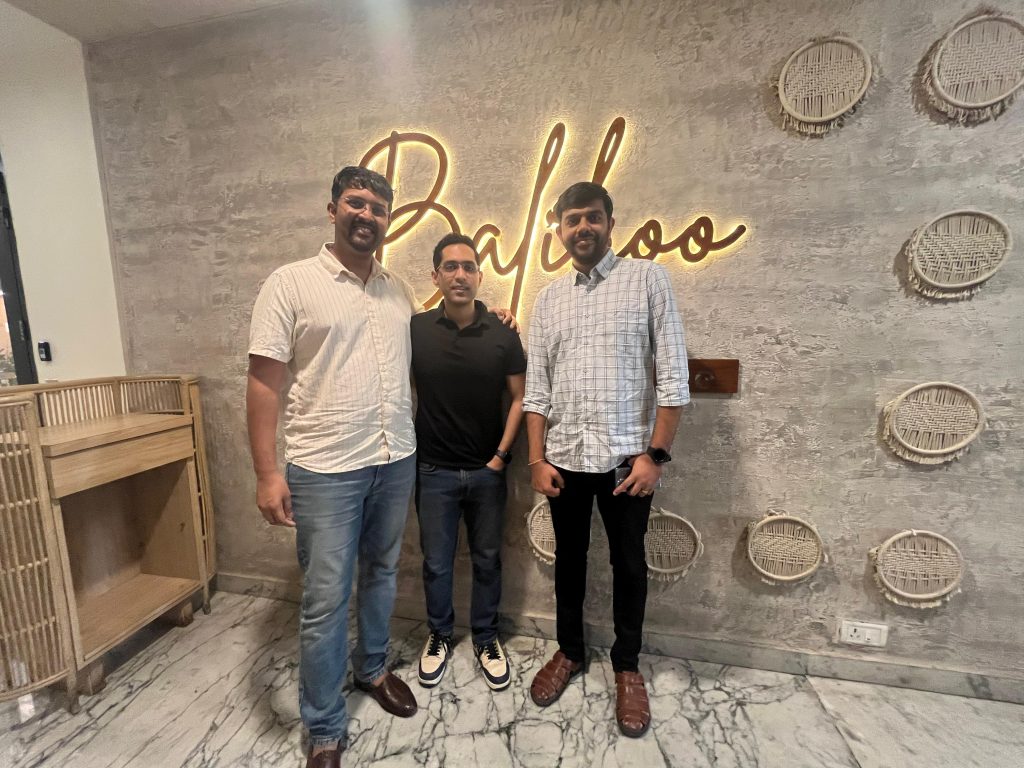
Mr. Prakhar Mittal is a research author with 16+ years of driving digital transformation across supply chain and product ecosystems—turning messy, manual processes into scalable systems with measurable ROI. He works with senior leaders to connect strategy to execution (with change management that actually sticks). More work and publications: theprakharmittal.com and his Google Scholar profile.