By Dr. Oly Mishra, FDP-2023
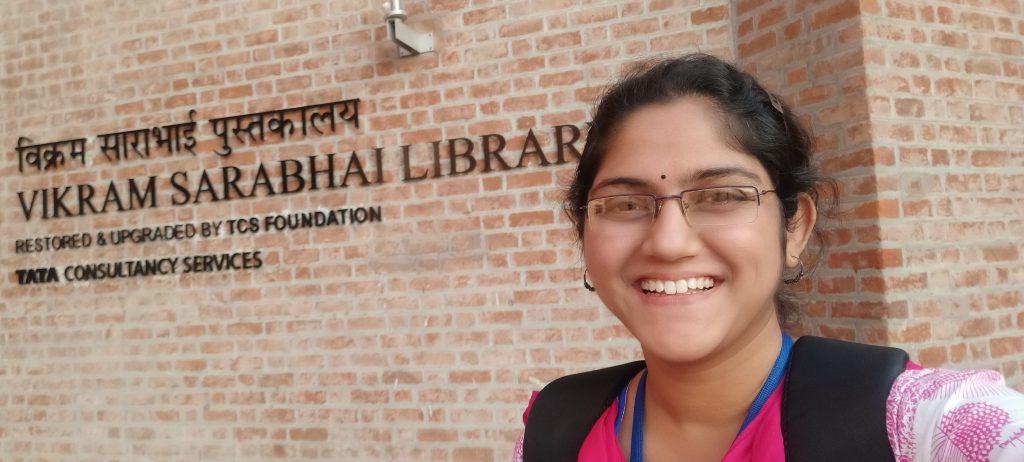
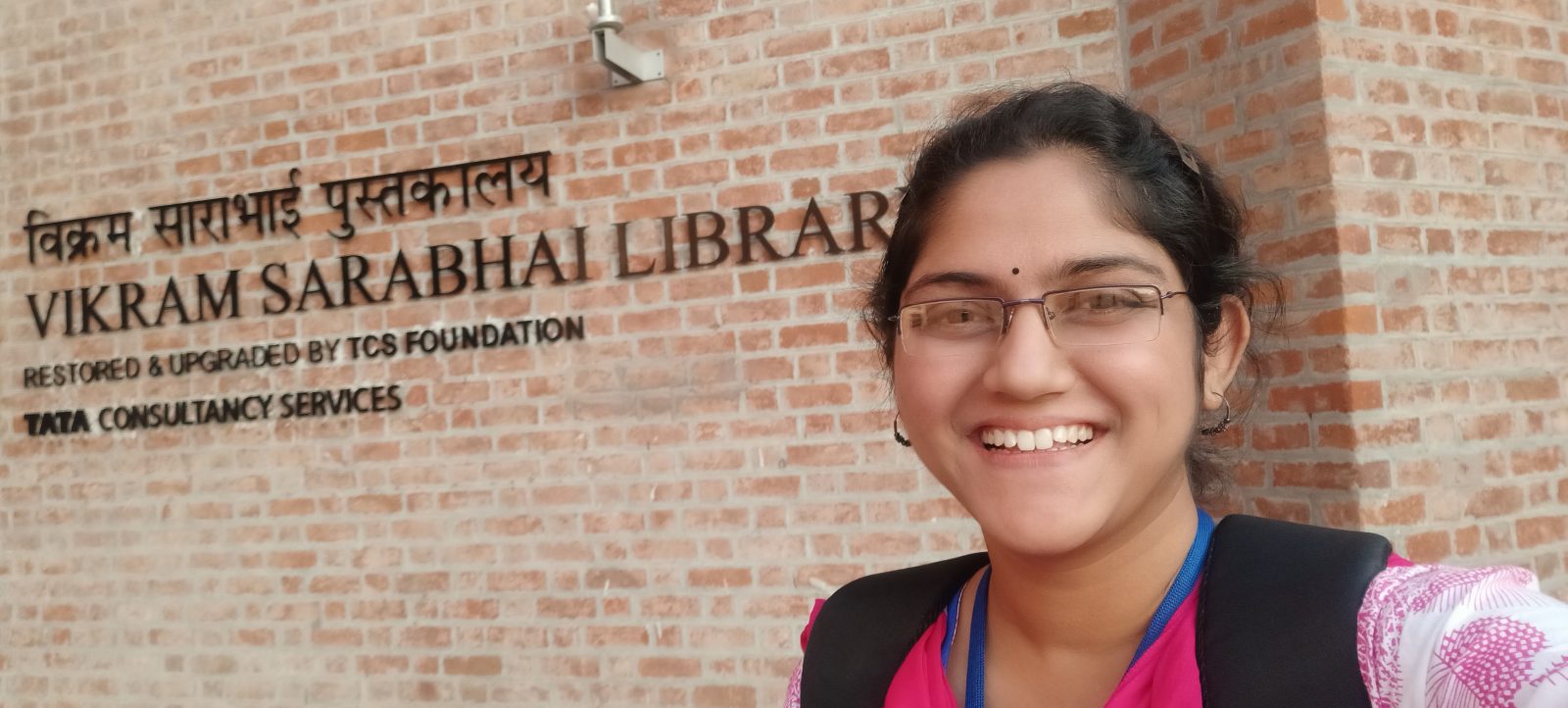
Every campus has its landmarks, but only a few spaces quietly shape who you become. During my time at IIM Ahmedabad as part of the FDP 2023 batch, the Vikram Sarabhai Library was that space for me, not merely a repository of books, but a living, breathing presence that altered my relationship with research, time, and thinking itself.
From the outside, the library stands with quiet confidence, blending seamlessly into the campus’s architectural language. But once you step inside, something shifts. The transition from the bright Ahmedabad sun into the hushed interiors feels almost ceremonial, as if you are crossing an invisible threshold. The air changes. Conversations soften. Footsteps become cautious. It is here that the noise of the world gives way to the discipline of thought.
For many of us in the FDP programme, days were structured tightly sessions, discussions, deadlines, and academic rigor that demanded constant engagement. Yet, the library existed outside this clock-driven rhythm. It allowed you to arrive early in the morning when the building felt almost sacred or stay late into the night when fatigue and focus coexisted in strange harmony. Time inside the library did not rush; it expanded.
What made the library truly special, however, was not just its vast collection or meticulously maintained spaces, but the way it enabled intellectual breakthroughs. I arrived at IIMA carrying research ideas that had been stalled for months. Like many academics, I knew the problem areas clearly but could not find the missing link, the perspective that would give my work direction. It was within the quiet corners of the library, surrounded by shelves heavy with knowledge and minds equally absorbed in their own pursuits, that those ideas began to untangle.
There was something almost magical about the process. A chance encounter with an old journal, a reference discovered while chasing something else, or a paragraph read at just the right moment would suddenly illuminate weeks of confusion. On more than one occasion, a research question that had felt overwhelming began to take shape within a single sitting. By the end of my stay, some of these once-stuck projects had not only found clarity but were ready to be sent out for publication.

The library also carried its own set of unwritten traditions. The unspoken rule of silence was not enforced; it was respected. The quiet nod exchanged with a familiar face seen daily but never formally introduced. The ritual of claiming a preferred seat and returning to it each day, as if it were temporarily yours. The shared understanding that everyone present was wrestling with ideas, doubts, and deadlines of their own. Just a few days before the FDP drew to a close, I deliberately set aside an entire night to wander through every floor and section of the library, eventually settling into one of its pods and reading through the quiet hours until the early morning light filtered in.
At times, the library reminded me of a Hogwarts-like space. It was a place where knowledge felt alive, where persistence was rewarded, and where those who stayed long enough often emerged transformed. You entered carrying questions and left carrying confidence. You arrived exhausted and left strangely energized. Even now, long after the FDP has concluded, memories of the IIMA library remain vivid. It is not just the structure or the silence I remember, but the version of myself that existed there, more patient, more focused, and more willing to sit with uncertainty until it turned into understanding.
Campuses are remembered through classrooms, friendships, and milestones, but traditions are often sustained by spaces like this, spaces that teach without speaking. For me, the IIMA library will always be one such space: a quiet companion in an intense academic journey, and a reminder that sometimes, all research needs is the right place to breathe.