By Sumit Rawat | SMP 2023
The lecture room buzzed with anticipation as 140 seasoned professionals gathered for their inaugural session at the prestigious Indian Institute of Management – Ahmedabad. Each desk was bearing – Name, Designation & company from which these participants had come to attend the first campus session. These participants had come from far and wide, each carrying the weight of over a decade’s worth of corporate experience, ready to embark on a transformative journey through a Senior Management Programme crafted for leaders at the mid- to senior echelons of their careers. The cohort was a tapestry of diversity—individuals representing myriad industries, from finance and technology to manufacturing and consulting. Their roles varied from middle management to top-tier positions. Confidence radiated across the room, fuelled by past knowledge and corporate experience.
“Good morning! All”, everyone’s attention was drawn towards the Professor’s voice. Initially, the interaction started with an introduction. Suddenly, the professor asked two questions in his imperious voice. “Who are you?” & “Why are you here?” For some time, there was silence, but slowly interaction started again. While responding to the second question, many of the participants said that they are here to learn management skills. The professor responded to eager students aiming to acquire new management skills by saying, “To learn something, you need to unlearn first.”
This insight, which initially unsettled many, invites us to reconsider how we approach knowledge acquisition, especially in dynamic fields like management. This naturally leads to the question: if our past learning has brought us this far, why should we consider unlearning anything at all?
After a few months, I was watching a documentary on the National Defence Academy, Khadakwasla. The training officer in the documentary said that first, all cadets need to go through a process of unlearning. So that they forget about their background, whether they are from rich families or the middle class. Whether they secured 90% + or were average in academics, all will be treated equally. Until and unless their personal egos or arrogance are detached from them, they would not be able to become good buddies. The feeling that will help them during difficult times in the warzone. This statement compelled me to think more about this. Further deep diving, I realized that the art of unlearning has been followed for ages in Indian culture.
Each one of us knows about the Gurukul, an ancient Indian residential schooling system. Where students from different strata of society lived, learned, and were educated under one roof. Shri Krishna and Sudama were both batchmates. A king and a poor Brahmin both stayed in the same hut, ate the same food, worked on the fields, and learned from the same guru. No difference was made between the two due to their social status. The Gurukul system ensured that before learning starts, each student needs to unlearn the ego that they possessed due to their societal status.
Then I linked all these stories & incidents, which led me to the conclusion that, if we need to learn something, we need to first unlearn. Which means, however knowledgeable one is, they will be able to learn only if they listen without arrogance.
The idea that “knowledge brings arrogance” is a warning found in the Bhagavad Gita, which teaches that true wisdom comes by keeping our ego/arrogance aside. Arrogance, or ego, acts as a barrier towards learning because it creates a sense of superiority and prevents one from being receptive to new information or the spiritual aspects of life.
Unlearning is the deliberate process of letting go of outdated or limiting beliefs, habits, and knowledge that no longer serve our current goals or the evolving work environment. Think of unlearning not as discarding your past achievements but rather as recalibrating your intellectual toolkit. It allows you to replace obsolete strategies with fresh perspectives.

Happy unlearning!
Author Bio:
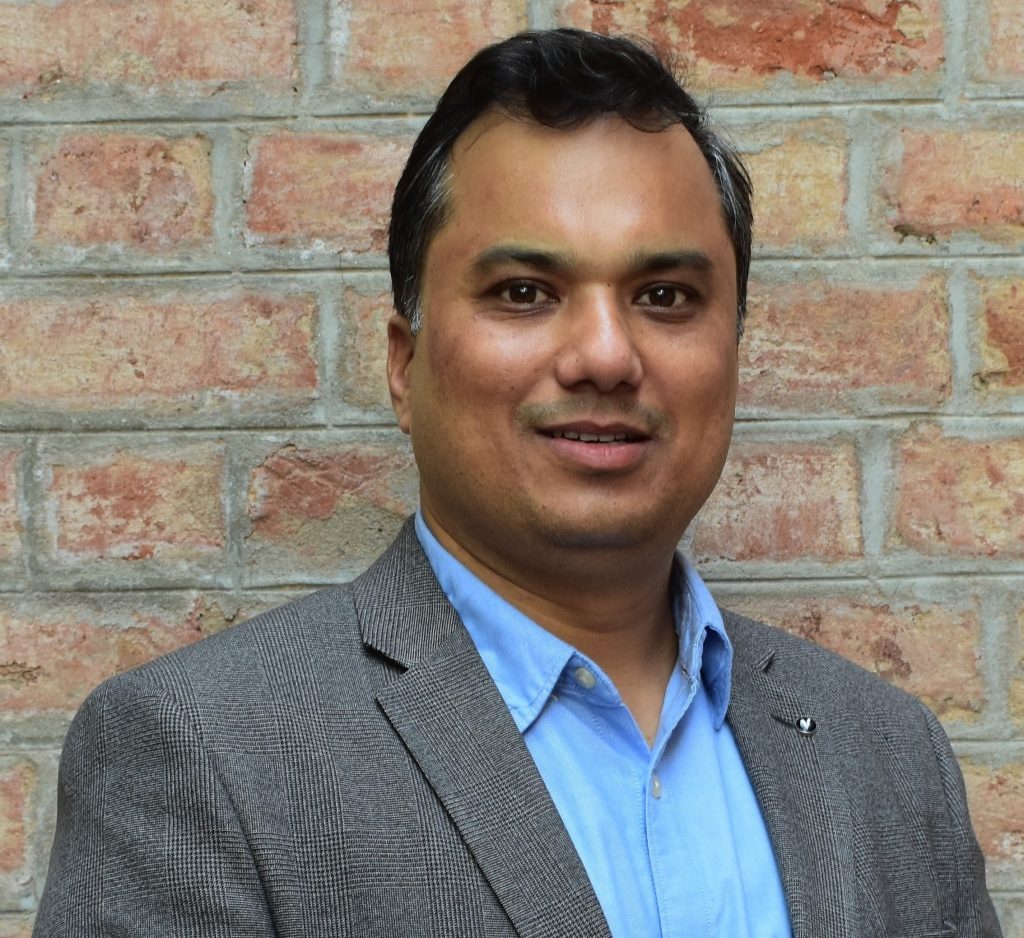
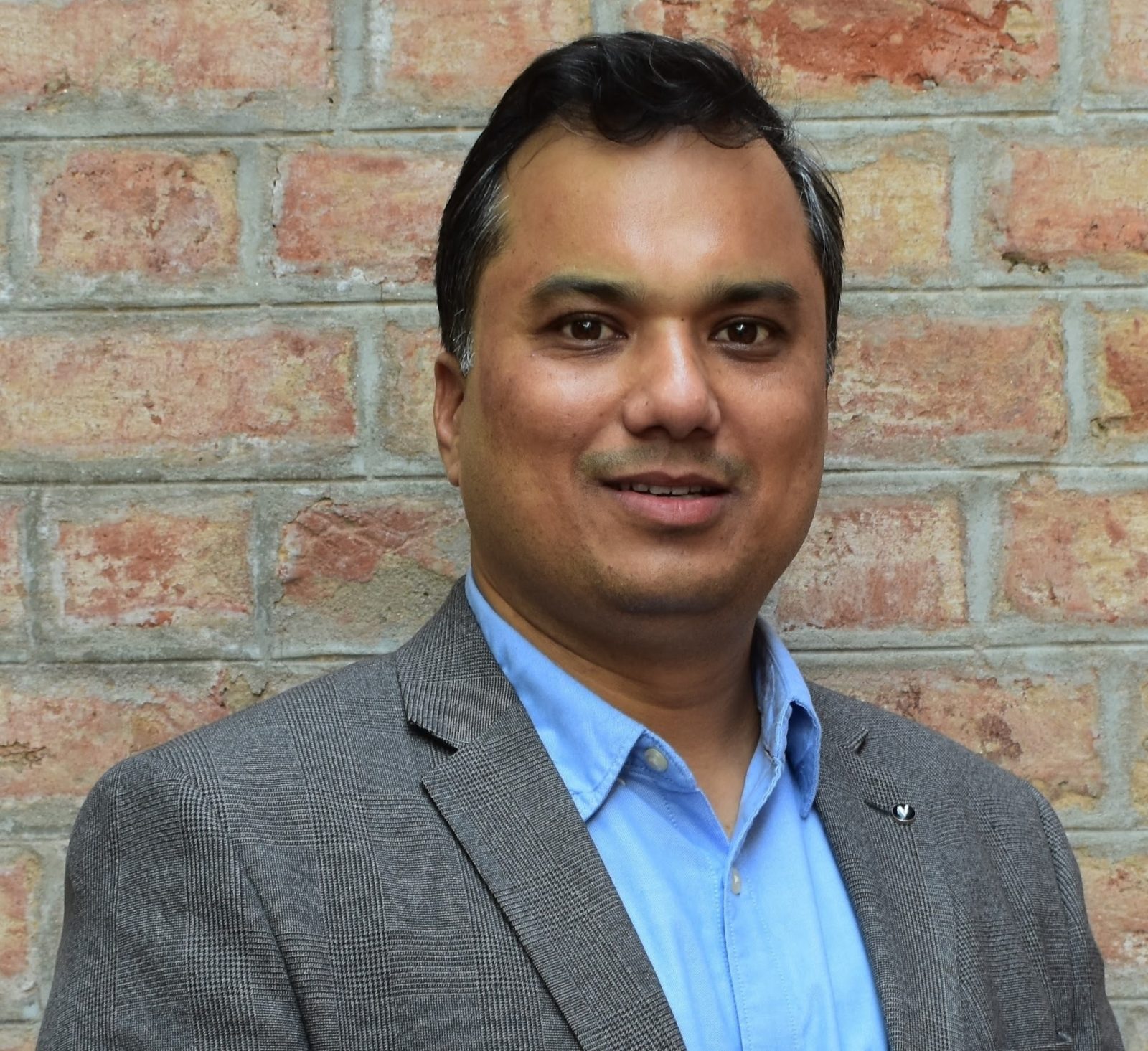
Sumit Rawat is a seasoned operations leader with over 20 years of experience in the insurance industry and an alumnus of the 2022-23 Senior Management Programme. Today, he translates his deep corporate insights into compelling writing, exploring real-life incidents through a lens of authenticity and seasoned perspective.
You can connect with him on LinkedIn: http://www.linkedin.com/in/sumit-rawat-30681714