By Nalini Bikkina, FDP 2012
The summer of 2012 in Ahmedabad was intense, marked by a heat that felt as scorched as my own apprehensions. Stepping onto the campus for the four-month Faculty Development Programme, my goals were modest: survive the heat, save face, and perhaps move a few research papers out of cold storage. I little realized then that I was embarking on a profound journey that would redefine my understanding of humility, professionalism, and the nobility of the teaching profession.
My arrival was far from seamless. Allotted to Dorm 31—a brand-new facility still being connected to water and power—I initially found myself parched and worried, wondering if I should pack my bags and flee. This physical discomfort was quickly mirrored by intellectual intimidation during the orientation session. As a social scientist by training, I felt like an outsider among forty-one colleagues who rattled off qualifications and achievements in formal management education. I sat in the allotted seating of the classroom, plagued by the sinking feeling that my presence was a mistake. My expertise in social and policy issues, which had sometimes been characterized by colleagues back home as limited in the context of a management institution, felt insufficient. I was, quite literally, disoriented.
However, as the program unfolded, the intimidation was replaced by a profound respect for the IIMA way. What struck me most was the personification of the adage simple living and high thinking. The instructors, despite their professionally distinguished statures and overwhelming profiles, exuded a transparent sincerity and compassion.
At IIMA, I found a protocol-free zone where formal rituals were discouraged, and power distance was nearly absent. Whether it was the Director not having a reserved front-row seat at Independence Day celebrations or instructors stopping for tea with participants outside the classroom, the environment emphasized mutual respect.
The best teachers I encountered were not just those with academic brilliance, but those who radiated a genuine passion to share knowledge and a courage of conviction for causes more worthy than profits.
For a social-sector person like myself, these mentors anchored my moorings, teaching me that success shines with double luster when set in humility.
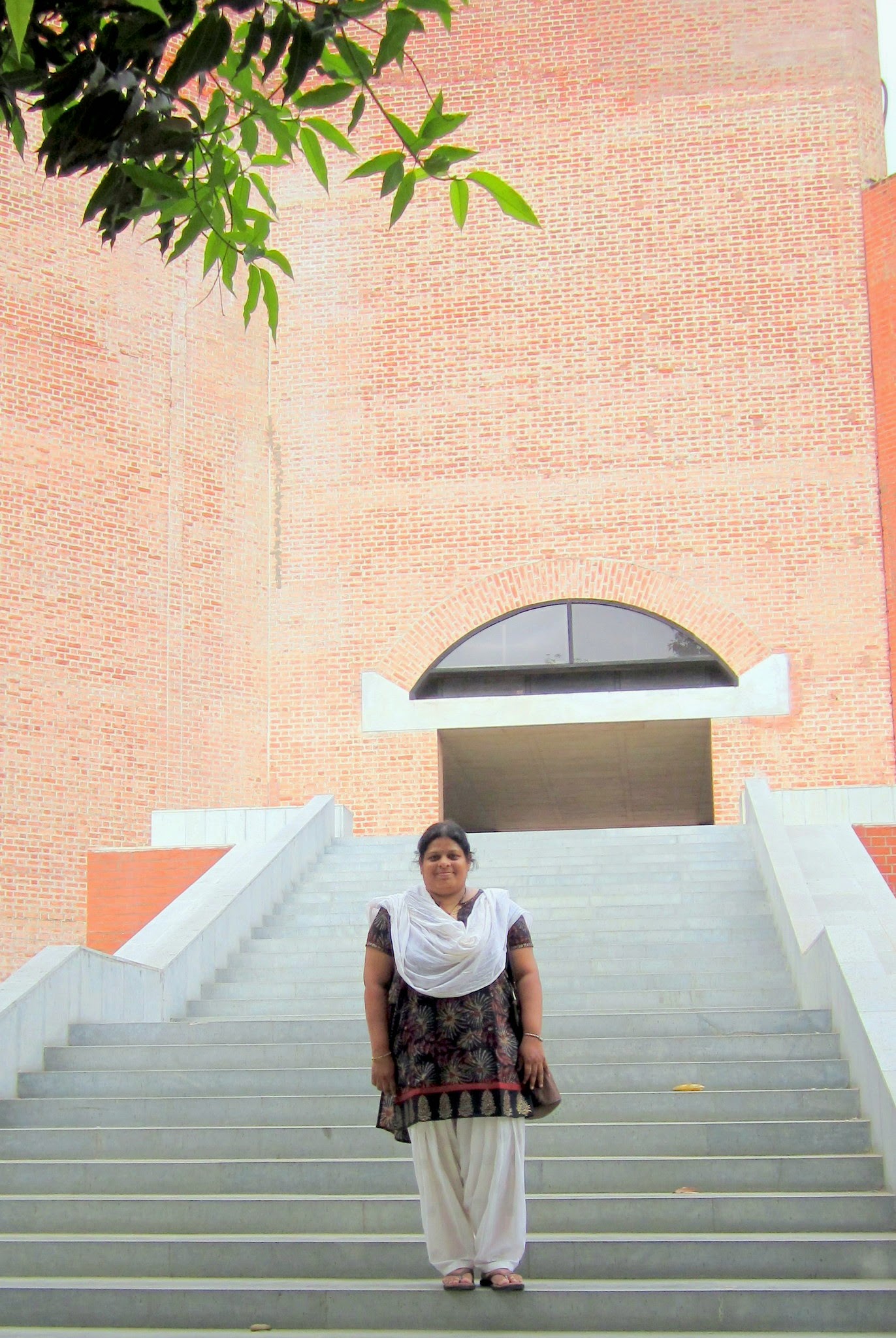
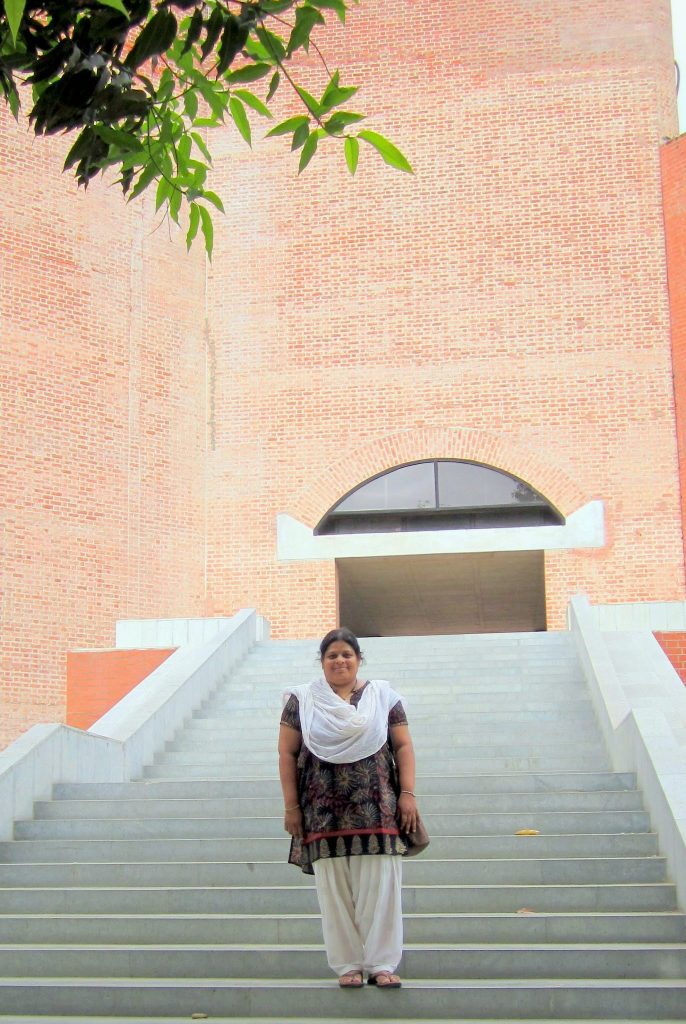
While many of my peers spent weekends exploring the sights of Gujarat and Rajasthan, I found myself tethered to the campus—not by obligation, but by a sense of discovery. IIMA became an introspective journey. My play consisted of late-evening sit-outs at the Louis Kahn Plaza, full moon nights, and the intellectual stimulation of reviewing the day’s tasks with close friends.
One of our Professors had promised us during orientation that the FDP would make us KASH rich in terms of Knowledge, Attitude, Skills, and Habits. By the end of the four months, I felt the truth of this. I absorbed knowledge from several public systems courses that connected with me at a deep level.
I also learned the value of professional assertiveness. After a single instance of being late to an inaugural dinner because I had followed a majority that wanted to start late, I felt a deep sense of shame. From then on, I became a stickler for the IIMA norm: classes begin on time every time. This shift in attitude—moving from being politically correct to being upfront and professional—became a hallmark of my post-FDP life.
The return to my home institution was met with the expected challenges. I encountered sarcasm regarding the value-addition of my training and faced skepticism while trying to organize an FDP Alumni Conference. However, the transformative experience of IIMA had equipped me with a calm forbearance.
Determined to let my actions speak, I applied myself to research with renewed vigor. While I still feel like a beginner in many academic aspects, the priceless intangibles I took from IIMA—the purity of purpose, the integrity beyond success, and the renewed confidence in a life-purpose beyond the self—remain my most cherished acquisitions. For those of us who have walked the redbrick corridors of IIMA, the FDP is more than just a certificate; it is a renewal of belief in the integrity and importance of our profession.
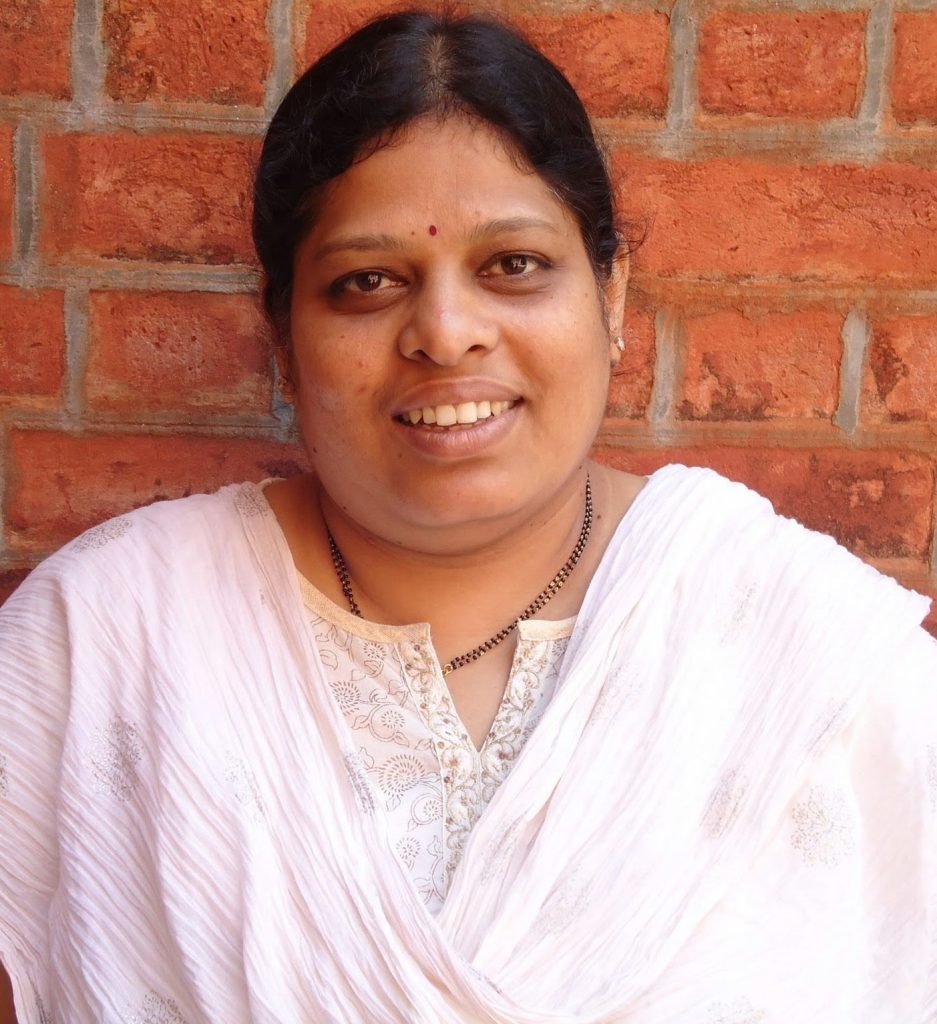
Nalini Bikkina is currently a Professor and a Fellow of the Multidisciplinary Unit for Research in Translational Initiatives at GITAM School of Humanities and Social Sciences, Visakhapatnam. She was a former Group I officer of the Andhra Pradesh Public Service Commission. An ICSSR Doctoral Fellow, her research interests have been in the interdisciplinary social sciences with an emphasis on public policy. She is a Fulbright Academic and Professional Excellence Fellow to the University of Nebraska at Omaha, a College of Arts and Letters Visiting Fellow at James Madison University, Virginia, and a Fellow of the Royal Society of Arts, London. She also received the Fulbright Alumni Award.