
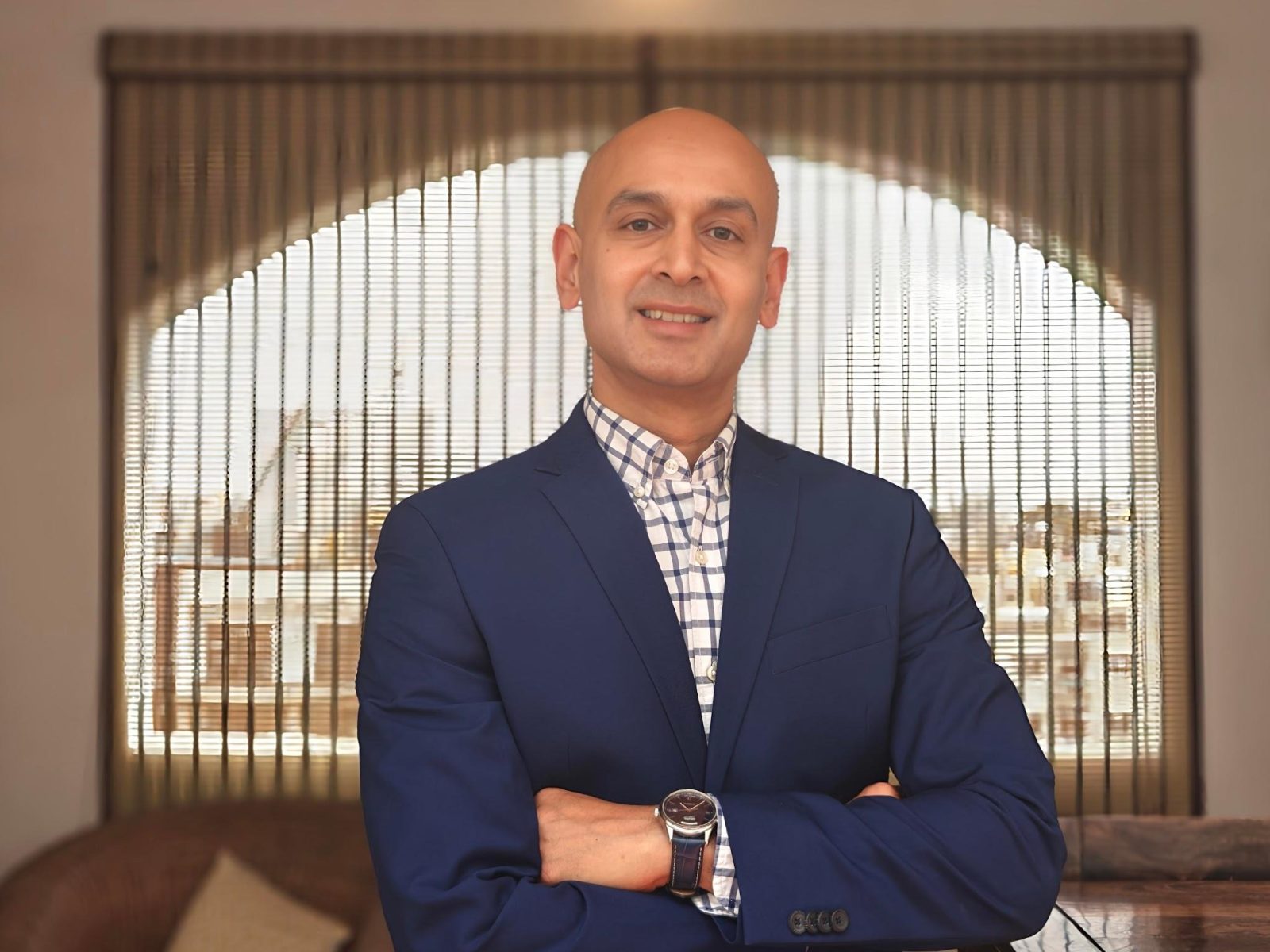
By Calvin John | MDP 2010
Careers are often described as ladders. Neat, straight, purposeful ladders. You place your foot carefully on one rung, then the next, and one day you look down and say with satisfaction, “Ah, so that was the plan.”
My career, fortunately, had no such discipline.
It began, of all places, with a flirtation with Chartered Accountancy. At that age, as with many young people in India, ambition is often assembled from equal parts curiosity, convention, and borrowed certainty. CA sounded respectable, rigorous, and reassuring. But somewhere along the way, I realized that while accounting trained the mind, it did not stir my imagination. What fascinated me was something less precise and far more alive, like understanding consumers, anticipating their needs, and building products and brands around those needs.
That realization was my first unscripted turn.
So I changed course and pursued an MBA at the Vivekanand Education Society’s Institute of Management Studies and Research in Chembur, Mumbai. It was a young institute then, full of energy and good faculty, but without the comfort of a deep alumni network or the placement machinery that more established campuses enjoyed. And just as we were preparing to step into the world, the dot-com bubble burst. I graduated in 2001, at a time when companies were not exactly lining up to hire bright-eyed management graduates. The market was cautious. Opportunity had suddenly become selective.
And yet, careers that look uncertain in the present often become beautifully coherent in hindsight.
During my summer internship, I worked on a project for a company exploring the launch of a mineral water brand. I had studied the market, the barriers to entry, and the category dynamics. It did not feel especially momentous at the time. But one day, while scanning the newspaper for opportunities, I came across an advertisement from Bisleri for a brand executive role. I applied. I got called. My first interview was with Mr. Prakash Chauhan himself. And just like that, my career began in packaged drinking water.
There is something wonderfully democratic about starting one’s career in a fiercely competitive, everyday category. Water does not allow you the luxury of abstraction. You learn quickly that distribution is strategy, packaging is communication, retail is theatre, and consumer trust is everything. At Bisleri, we were facing aggressive competition from multinational entrants. Kinley, Aquafina, and Nestle Pure Life- everyone wanted a sip of the opportunity. In Mumbai’s cramped retail environment, shelf space was limited, and loyalty could be fluid. We had to think sharply and act even faster.
From there, curiosity kept pulling me into unfamiliar territory. At Hindustan Unilever, I learned discipline and depth. If Bisleri taught me speed and hustle, Unilever taught me discipline and depth. I worked in the marketing innovation function on detergent brands (Surf & Rin), where consumer understanding was not an abstract phrase but a serious operating principle. You did not merely discuss consumers; you spent time with them, listened to them, observed their habits, and tested your assumptions against their reality. That experience changed me. I began to understand that adaptability is not only about moving industries or functions; sometimes it is about changing the way you think.
Then came another leap, this time into United Spirits and the world of alcobevs (alcoholic beverages). On paper, it may have looked like a shift in category. In practice, it was another exercise in reinvention. I took on McDowell’s No.1, a giant brand with enormous market share and equally enormous legacy. But legacy is a double-edged sword. Consumers knew the brand well, yet younger audiences were gravitating toward fresher, more contemporary labels. We had to ask difficult questions. What should remain? What should change? What was heritage, and what had become inertia? Those years demanded risk-taking, whether in repositioning, product development, or communication. We launched new variants, refreshed the blend and packaging, and reimagined how the brand showed up in culture. That chapter taught me that market leadership is not permission to stand still. It is a responsibility to evolve before irrelevance arrives.
That same willingness to move before I felt fully ready took me to Titan and Tanishq, where I moved across geographies, categories, and consumer contexts. Jewellery and watches were not just about transactions; they were about aspiration, identity, and emotion. It was a category that demanded not only sharp marketing but also sensitivity. We nurtured existing brands, launched new sub-brands, expanded into digital initiatives, and opened new markets across India, South Asia, and the Middle East. What I learned there was that adaptability also means respecting context. A brand may carry the same name across borders, but the meaning people attach to it can change dramatically. To grow, you must stay alert enough to notice those nuances.
At CaratLane, the script became even more interesting. Moving from established brands to a fast-growing, digital-first challenger was both exciting and risky. We were not simply trying to sell jewellery better; we were trying to rethink how jewellery could be experienced altogether. “Try at Home,” virtual try-ons, and omnichannel retail were not just business innovations. They were acts of belief. They came from asking a basic but powerful question: what if consumers do not want to buy this category the way the industry has always assumed they should? Curiosity asked the question. Risk-taking backed the answer. Adaptability made it real.
My later years at OnMobile and Glance pushed me even further into consumer technology, a world where change is not episodic but constant. In tech, relevance has a shorter shelf life. Feedback is immediate. Reinvention is not a strategic offsite; it is a weekly muscle. Building brands in this space required a different operating rhythm, but the underlying instinct remained familiar: stay curious about behaviour, stay willing to experiment, and stay flexible enough to learn faster than the market changes.
Today, as I build Calvinysm and work with emerging ventures, I can see more clearly what I could not see when I was living through it. My career was never random, but it was rarely predetermined. I did not move with a fixed blueprint. I moved with a compass. And that compass was shaped by curiosity, sharpened by risk, and steadied by adaptability.
That, to me, is what an unscripted career truly means.
It does not mean drifting. It means exploring. It does not mean avoiding ambition. It means refusing to be trapped by a version of ambition that is too narrow or too rehearsed. It means allowing yourself to grow through unexpected categories, difficult markets, building from scratch, uncomfortable transitions, and opportunities that do not look glamorous at first glance.
If I were to leave one thought with younger professionals, it would be this: do not be afraid if your career does not look linear. Some of the best careers are not built by following a map. They are built by following energy, asking better questions, and stepping into the unfamiliar before you feel fully ready.
Author Bio:
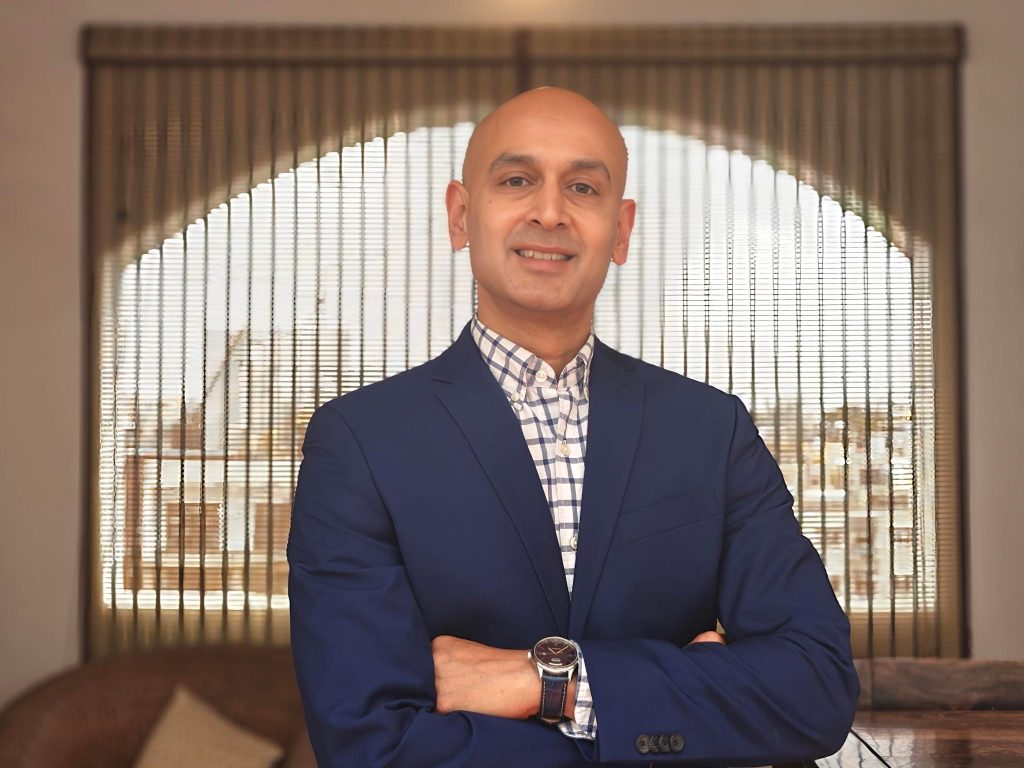
Calvin John is a global marketing leader with 25 years of consumer marketing experience across FMCG, Lifestyle retail, eCommerce, and consumer technology in India, the USA, Spain, and across regions – SAARC, ASEAN, and the GCC.
Currently, Calvin operates across three roles close to his heart.
- As an Operator, through Casa Growth Consulting LLP, he invests in iconic and high-potential brands to unlock their full retail and growth potential.
- As a Marketer, he is the Founder of Calvinysm, a founder-led brand growth and marketing advisory built to work deeply with founders, CEOs, and CMOs navigating scale, reinvention, and digital disruption.
- As an Investor, he partners with Series A to Pre-IPO businesses, bringing long-term thinking, operating perspective, and brand-led growth insight to ambitious founders.