By Dr. Subhash Bhave, IIMA – PGP 1966, and Dr. Veena Tarkunde SFDM 2016
Review:
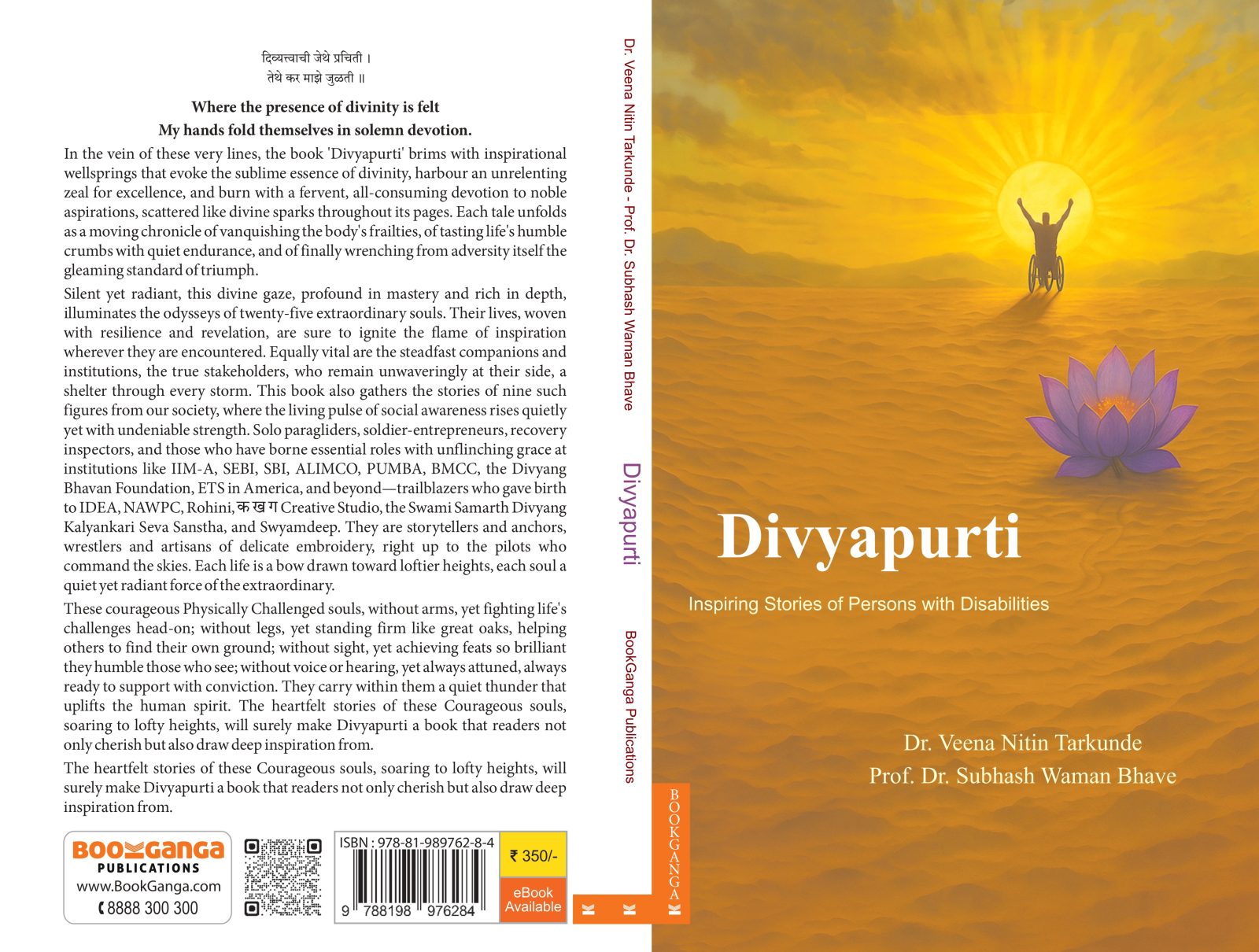
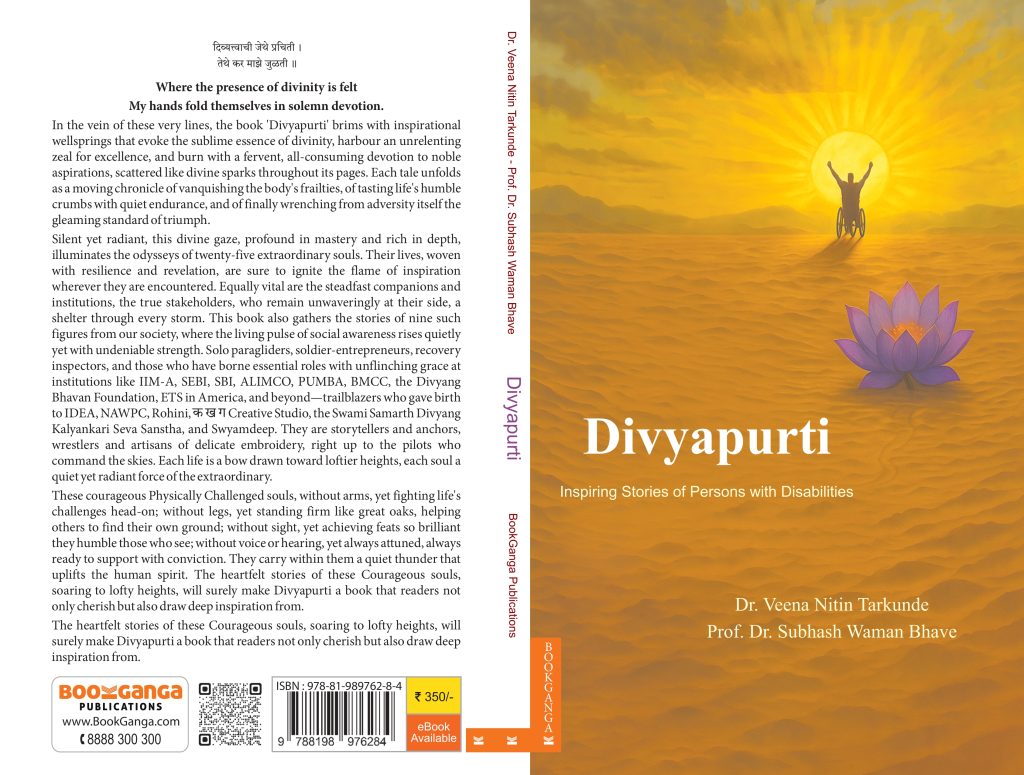
As the full title of the book indicates, this is a compilation of stories related to individuals who are afflicted with some physical disability or the other.
Prime Minister Shri Narendra Modi introduced the term “Divyang” (meaning “divine body / limbs”) on Dec. 03, 2015. This was to provide a more respectful and inclusive term to replace the rather negative connotation of words like “viklang” or “apang”.
The title of the book links with that word “Divyang” showing that Divyang can also achieve their goals – that is “purti”.
Under the “Rights of Persons with Disabilities Act, 2016”, a total of 21 types of disabilities have been categorised. (Listing them all here would take up too much space.)
The stories in the book cover practically all those types of 21 disabilities. As is obvious, the stories recount how the respective individuals have overcome their handicap and adversities to gain respect and to lead fulfilling and productive lives.
There is some variation in that some individuals were born with a specific disability and some became disabled later on in life due to some disease or accident. It should be possible to hypothesize that the individuals in the latter category would have had a harder time adapting and overcoming. (The book does not mention about that.)
It is an interesting coincidence that one of the stories relates to Nishtha Thaker who has been associated with IIMA since 2008.
A remarkably inspiring feature of many of the stories is that not only the divyang individuals have overcome their own challenges but have also helped others to move forward in life.
The production of the book is quite professional, inter alia, with an easily readable font type and size. It is quite laudable that in a book with 172 pages, I could not detect a single typo.
It does strike one as rather odd that though the book has been translated from Marathi into English, there is no mention of this fact and no credit has been given to any translator(s).
That perhaps links up with the fact that though the book provides a useful list of various schemes beneficial for persons with disabilities, that list is limited to the schemes of the Maharashtra state government.
This review would be incomplete without praising the very meaningful and lucid preface by Shri Vivek Sawant, Chief Mentor, Maharashtra Knowledge Corporation Limited.

About the authors:
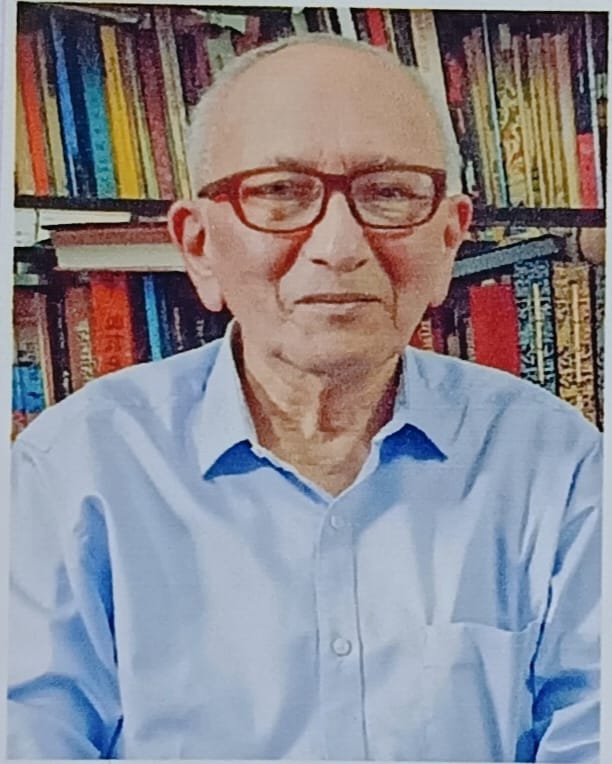
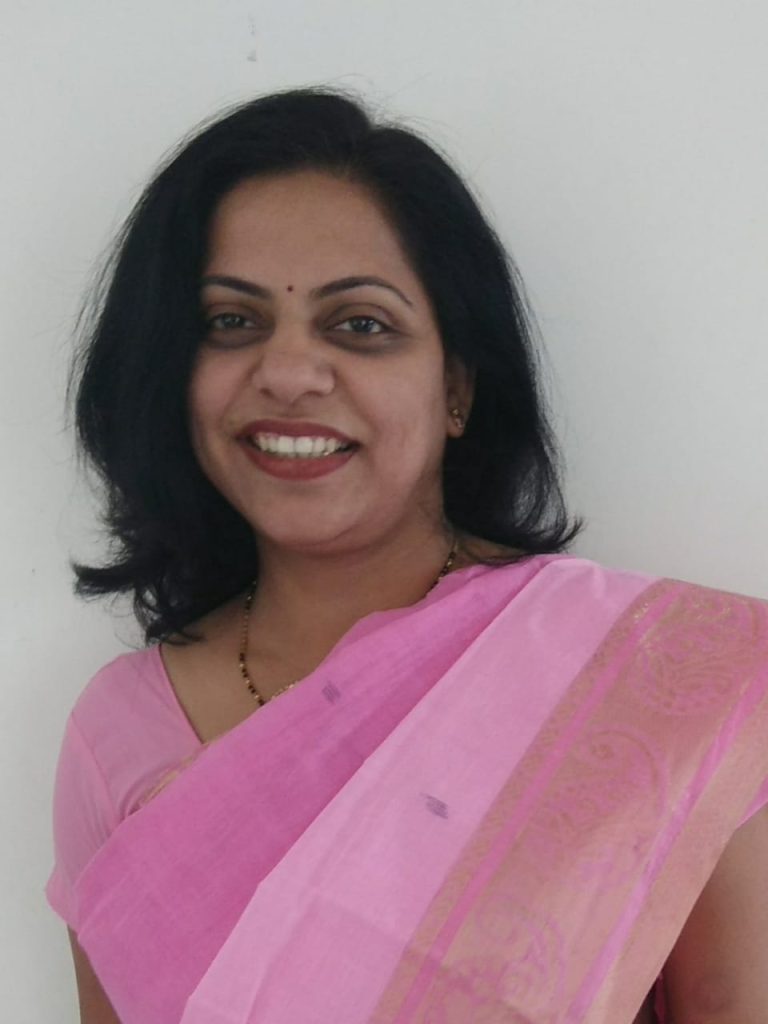
It is an interesting coincidence that both the co-editors of the book being reviewed are alumni of IIMA.
The senior of the two is Dr. Subhash Bhave. He has the distinction of being from the very first graduating batch from IIMA – PGP ’66.
Dr. Bhave has had a very successful career in diverse fields – a job before joining IIMA, then after graduating from IIMA, a stint as an entrepreneur, and then a long phase as a well-respected educator in Management.
In classic MBA style, Dr. Bhave has developed a framework for successful book writing and publishing: He picks up a theme (say, “first generation entrepreneurs” or “women entrepreneurs”) and then collects stories from individuals who fit in that category. The stories are then compiled into a book form in collaboration with a co-editor. To date, 3 such books have been published, and more are in the pipeline. All the books have been written and published in Marathi, except the book under review, which was originally written in Marathi and then translated into English. (Of course, Bhave Sir has written many other books, including the best seller – “Learning for a Manager”.)
The other co-editor, Dr. Veena Tarkunde, has completed an FDP from IIMA. She has over 22 years of experience in teaching in the Commerce and Management domains.