
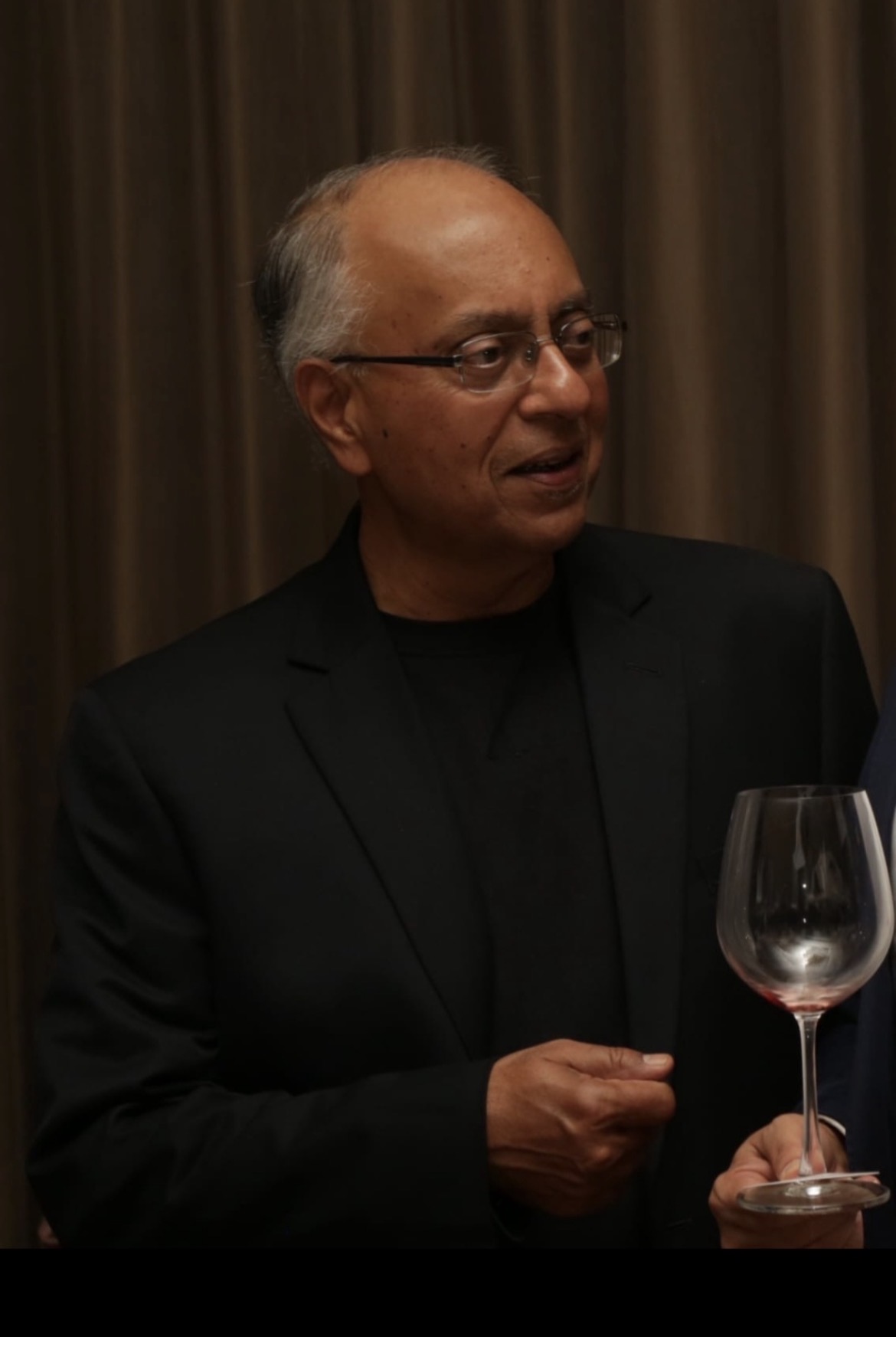
By V Sanjay Kumar | PGP 1982
Irrational
The Eighties and Nineties were foundational years for labor arbitrage in the software business. It was an era of easy money. I acquired a fledgling software business engaged in developing solutions in the difficult domain of bank treasury. We built a large development team that drank all our resources for three years and developed a client-server solution. At every stage, we lacked funding, we lost people, and product engineering suffered. We did some labor arbitrage, and we made some easy money, but our hearts and souls were in the irrational struggle to create an integrated treasury product. We partnered with Infosys and implemented in five countries, and for some years, we were leaders in India. We remained small (boutique sounds better), and rewards weren’t commensurate with the effort involved, but we remained committed.
This irrational streak became a habit. I knew little about art and hardly visited shows, yet I got into the art business based on two chance encounters. There was no market information and no possibility of a financial projection at the time. My MBA training highlighted risks and threats, and my zero exposure to art, but all I could see was opportunity. We set up Sakshi Gallery in 1988, we set up the first art fund in the country, and over the years, through many ups and downs, we have established a sizable presence. Sakshi is part of Indian art history.
Imperfect
The stock market of the eighties was a golden period. Information flow was selective, and opportunities were many. I discovered South Indian shares that no one was tracking, and very soon, I was leading the charge in some of them. It was an imperfect market that yielded irrational returns.
The art market of the nineties was more of the same. It was opaque, price discovery was a mystery, and liquidity was iffy. Quality was a subjective notion, and some gatekeepers decided what was good enough. I reveled in this market, one of the very few imperfect ones that survive. I still do. There are opportunities galore even today for those who can forsake their conservative training and embark on an aesthetic journey.
I see a similar future in the wine world. Over the past decade, I have explored this world that has the same combination of subjective judgment and an imperfect market.
Obsessions
I am obsessed with areas of human enterprise that present complexity. Obsession leads to deep diving without holding back. Obsession is a complete immersion in layered, multi-dimensional worlds, whether it is product software, art funds, the gallery world, literature, or wine.
I have spent the last ten years writing fiction with no background in literature and, in the end, no income to speak of. I am obsessed with writing, creating complex characters, conjuring different worlds, and telling a layered story. It has been a privilege to have six books published by the likes of Hachette, Akashic USA, Juggernaut, and Bloomsbury. Reading is hard for people these days, trust me, so is writing.
I am as obsessed with the world of art and wine. These are small worlds, tiny domains, where commitment is complete, rewards are uncertain, there is no place to hide, and you have to throw yourself into the deep end to discover what there is on offer.
This, in brief, is my world. It has no safe harbors and no easy money. It has been a journey of immersive satisfaction and, on rare occasions, unimagined returns.
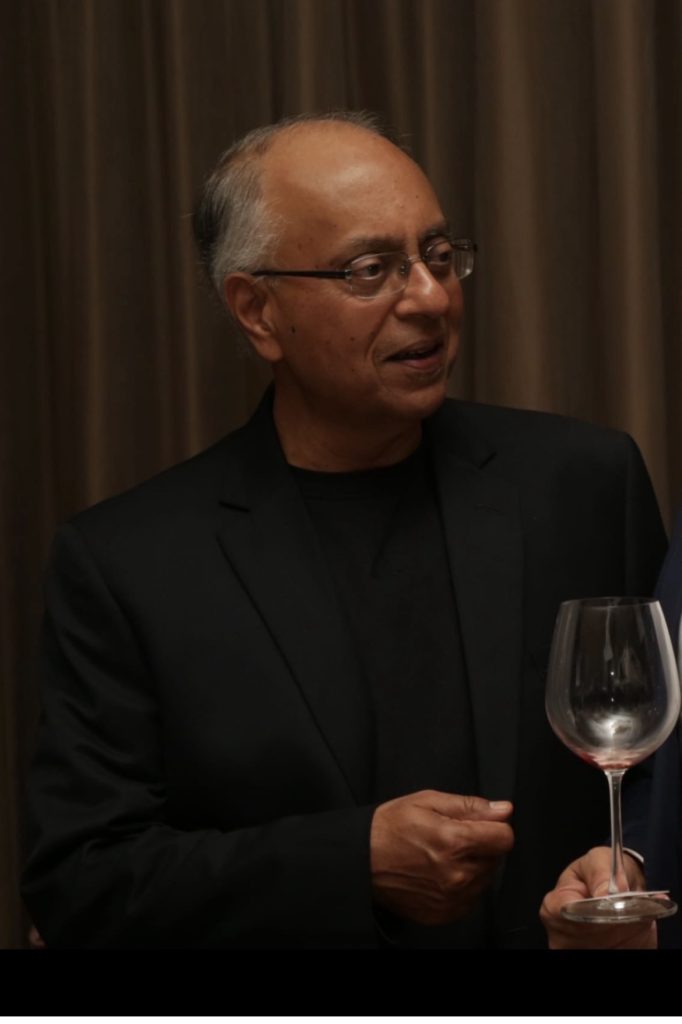
Author is Art world resident. Novelist. Former investment banker and software entrepreneur. Wine columnist, Sommelier India.