By Rahul S Verghese | PGP 1982
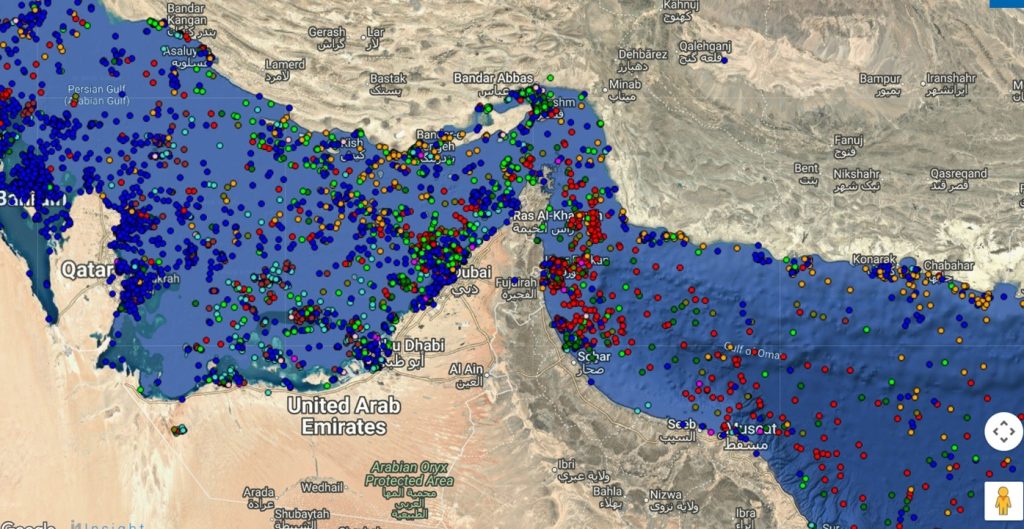
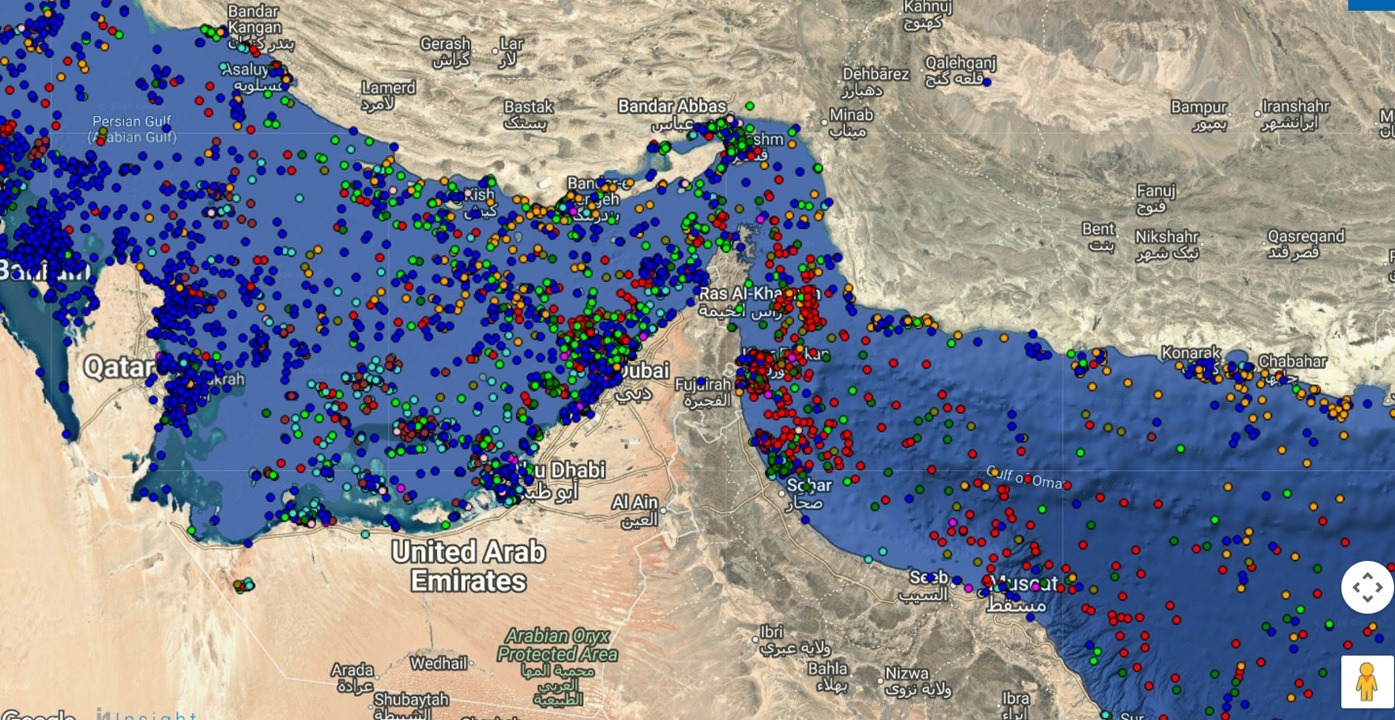
The Iran-Israel-US war has impacted short as well as longer-term supply capacities as well as supply chains of oil, gas, fertiliser, and urea. This has additionally impacted the supply chains of products once and twice removed, apart from the overall energy costs of homes, production facilities, offices, and transportation of everything.
The squeezing of Qatari LNG imports has hit Indian urea production. Prices have gone up by over 40% just before the end of May to early June planting season, which, if not supplemented, could cause a food crop crisis down the road.
Global plastic and polypropylene supplies have been squeezed, and prices have increased by over 30% already, with further downstream impacts on packaging materials, polyester, and nylon. General inflation has already been factored in by economists and industry. And the Rupee has been falling faster since 2023, was hit by 3%+ since Feb 28th 2026.
While it will take time for the dust to settle in this conflict, given the topsy-turvy handling of issues, India must step on the accelerator of change and use this crisis as an opportunity for residents to come together and contribute towards making a difference for themselves and, in the process, also help the country change gear. Nothing works better in bringing people together than a crisis.
Some of what we need to do is CLEAR – Composting, Litter clearance, alternative Energy, Agri-Waste as fuel and fertiliser, and Recycling plastic is the need of the hour. The current crisis is an opportunity for these 5 inter-connected areas to get national and local focus, to both soften the current economic blow and reap longer-term behavioural and green benefits like never before, with economic rewards.
Get citizens to COMPOST
Public composting in parks and gardens for fertiliser generation, as well as feeders into gas production in large private and city facilities.
Composting education and spreading the word, in resident associations, schools, and other community-level forums, are the need of the day. This will get us to realise that our mountains of filth can be depleted and actually put to good use. And get the media to cover great stories across the public to enhance the spirit of optimism, and inspire others to follow suit and perhaps do better, and come out with tailored models for themselves across RWAs, urban wards, towns, cities, village clusters, and apartment complexes, and so on. Recognition of great work with a carrot and a stick for poor showings could further help acceleration.
Change attitudes towards LITTER
Use the above forums and more to start the process of litter reduction as we begin to enhance pride in our home, street, locality, town, city, state, and country. We, residents, must begin to see waste as wealth and put it in the ‘right place or right bins’ to ensure appropriate recycling and upcycling via appropriate segregation, which is the single biggest issue in the process, at the moment. This is needed as the firm foundation of Swachh Bharat 3.0, which should be about changing our attitudes and enhancing our civic sense, while also realising that waste is wealth. Swachh Bharat becomes a citizen’s way of thinking and living, with diverse groups helping create wealth and ensure waste management workers see themselves as supply chain workers of several industries and brands, and are injected with a sense of pride in their work.
Jump-start the 2nd GREEN Revolution in India – through ENERGY
With petrol and diesel being more expensive and in shorter supply for some time, the Government should aggressively incentivise energy generation using wind, solar, and electric sources, as well as electric vehicles. There have been some announcements of more e-buses, but acceleration of replacement of outdated diesel bus fleets is the need of the hour, and includes truck fleets over the next 12 months for replacements of 10+ year old vehicles and more.
Public fast charging e-stations roll-out needs to be exponential in the next 12 months across apartments, malls, petrol stations in cities, and highways to facilitate long-distance travel in EVs by consumers.
Additional incentives for solar energy for new residential developments would be an added bonus.
It is now that allocations in these and allied areas should be enhanced 10x both through Governmental short-term budget reallocations, making CSR spends in these areas more lucrative for corporates, and other innovative means to widen the revenue net for this set of related areas, including some element of deficit financing if needed.
AGRI-STUBBLE – from seasonal air polluter to asset through fast composting
Agri stubble to fertiliser/ gas to alleviate fertiliser shortages and inflation
• Pusa Decomposer softens and decomposes stubble to manure within 20–25 days.
• Waste Decomposer: A microbial culture that rapidly degrades farm waste.
• Mechanical Integration: Machines that chop and mix the stubble into the soil.

• Industrial Use: bio-ethanol or Bio-CNG.
Doing any of these should enable priority fertiliser, given possible shortages or a subsidy, given possible price inflation, to ensure farmers see a direct and significant benefit to start the change at scale. Agri companies and large agri buyers could be brought to channel CSR funds for the next 3 years in this area to jump-start the acceleration and scale of adoption.
RECYCLING of Plastic
Extended EPRs (Extended Producer Responsibility) have been mandated; households need to segregate their plastic waste, and recyclers need to be incentivised to improve the efficiency and scale of their operations. Singapore has researched and is now using plastic infused in asphalt, ensuring it is non-leachable and yet making roads longer lasting, more elastic, reducing heat island effects, and more. India is now mandating the same in National Highways within 50km of urban areas with populations over 5 lakh. This needs to be dramatically extended to create better and longer-lasting “green roads” and reduce our plastic filth at scale, which is the bane of our country, our pride, and is currently a tourist’s major takeaway.
Much of this is nothing new and is being done by governments, industry, and start-ups in various parts of the country, but this is to reiterate that a crisis presents an opportunity and it must be seized!!
What is needed is a CLEAR policy communicated widely
along with the Great Positive Outcomes of several private actors at a variety of levels to spread Optimism and Inspiration through all Media Channels, and Great Execution to Accelerate the 5 fingers of ‘CLEAR’ outcomes, way beyond what we thought possible.
Author Bio:

A catalyst for accelerating growth in consumer startups, as well as ventures geared towards pollution solutions and upcycling waste. He has had diverse experiences, ranging from large-scale operations at Unilever, Nestlé, Motorola, and Olam to entrepreneurial ventures through his own start-up, a corporate venture, and investments in B2B, B2C, and D2C start-ups.
– Rahul Verghese | Facebook To a Brighter Future