
Collective purchasing as a pathway to self-reliance
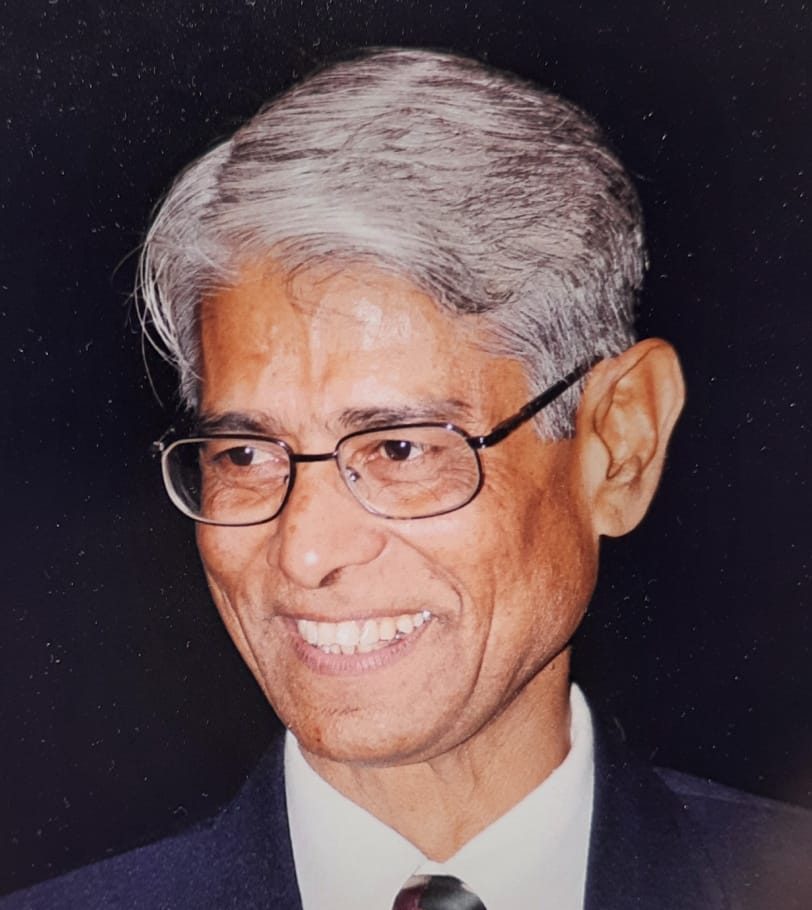
By J. C. Shukla, PGP 1971
India’s journey towards Viksit Bharat@2047 is often discussed through infrastructure, industry, and technology. Yet development is also shaped by the everyday economics of household consumption: what families pay for essentials, how goods move through supply chains, and how community institutions sustain their work. “The Power of Crowd” model proposes bringing people together around their combined purchasing power so that household savings and community-level economic activity can reinforce one another. Its mission is to alleviate poverty, create millions of jobs, give dignity to the poor, and bridge the gap between rich and poor.
The vision is of an India where every family can live with self-respect and self-reliance, without depending on donations, grants, subsidies, or government doles. The underlying belief is that people who receive support can also become contributors to their communities.
From collective demand to shared value
The model begins with two challenges. India has 140 crore consumers, yet multi-layered wholesalers, distributors, and retailers, along with high customer-acquisition costs, are said to inflate prices by 20–40%. The proposal argues that poorer households ultimately pay the highest price. It also states that 90% of charities depend entirely on recurring donations, leaving their funding unsustainable and volatile over time.
Power of Crowd seeks to aggregate a community’s demand and captive consumption to negotiate special strategic pricing from vendors, suppliers, and manufacturers, offering members the lowest possible prices. Assured demand can help vendors reduce customer-acquisition, inventory-holding, and finance costs, creating room for structural discounts. The model aims to eliminate the traditional cascading effect on consumer prices and is built around three pillars: Cause, Credibility and Crowd.
Putting the model into practice
The proposed arrangement partners nationally with Y-PAY, described as a pre-loaded debit card approved by RBI/RuPay. A trusted local NGO onboards and registers community members, who receive a KUBER CARD and access to a mobile application listing pre-approved vendors and negotiated prices. Members can purchase daily essentials at the Point of Sale (POS), receiving special pricing alongside additional structural discounts.
Under the arrangement, Y-PAY automatically distributes ecosystem revenue generated through supply-chain efficiencies: 73% to the member, 8.5% to the NGO/Trust, 10% to Y-PAY and 8.5% to Nahak Overseas LLP. The model is designed to preserve vendors’ baseline profit margins while generating funding for social charity through supply-chain optimisation rather than traditional donations.
A Gujarat pilot
The initiative identifies Umiya Mandir Trust, Sidsar, as its strategic partner in Gujarat and reports an operational scale of 100,000 active families. With average family spending of Rs. 3,00,000 per year, it estimates a captive consumption pool of Rs. 3,000 Crores annually. The reported additional direct cost savings are 15% to 20%, with each family saving approximately Rs. 25,000 per year.
The model also reports that the Trust earns sustainable operating revenue without relying on external donations and that local youth gain last-mile reseller opportunities as Kuber agents. It is described as requiring low/no capital expenditure (capex), having low operating expenditure (opex), and carrying negligible financial risk.
A wider development question

The model is presented as modular, self-sustainable, scalable and replicable by Trusts, NGOs, cooperatives, Farmer Producer Organisations (FPOs) and Self-Help Groups (SHGs). Its projected impact is that 1,000 participating Trusts would aggregate a Rs. 30 Lakh Crore consumption pool, effectively adding roughly 1% straight to India’s GDP. It is also framed as a vehicle through which the government can reach grassroots populations.
For Viksit Bharat @2047, the proposal’s wider question is whether efficiencies in everyday consumption can support more than individual savings. Its ambition is to connect household affordability with local employment and community institutions that can sustain their work. The model’s contribution will ultimately depend on its ability to replicate at scale while delivering the savings and outcomes it sets out to achieve. Collective purchasing power, in this approach, becomes a means of pursuing shared economic benefit and greater self-reliance.
In the spirit of VIKSIT BHARAT mission, if any NGO, CIVIL SOCIETY, TRUST, FPO, GOVERNMENT, etc want to replicate this model locally (or globally) anywhere, it will be supported by us PRO BONO. Please contact jcshukla43@gmail.com
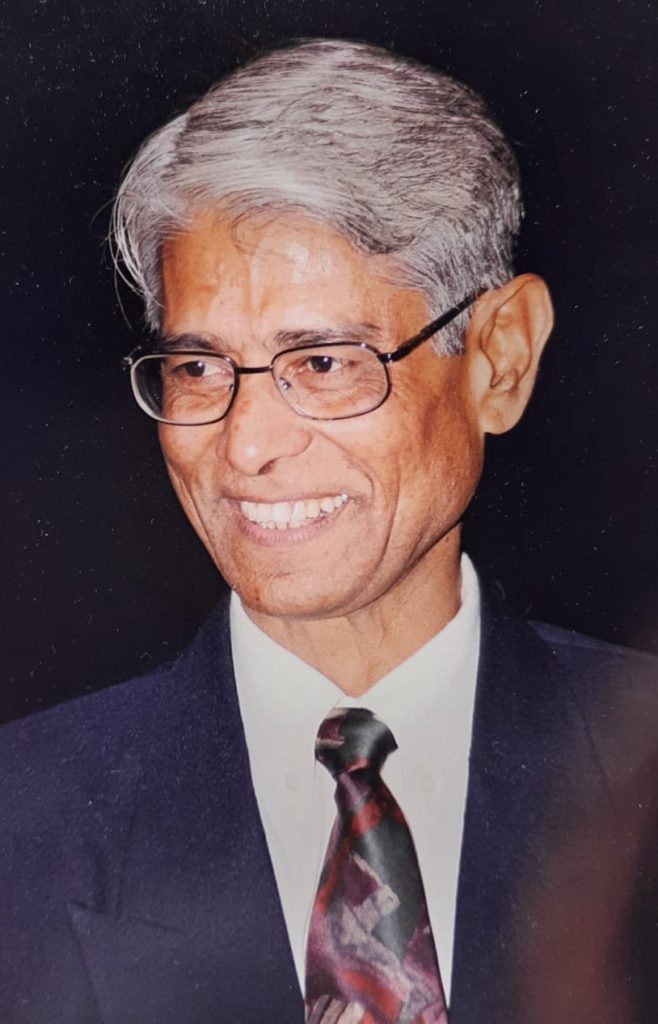
Author Bio:
J. C. Shukla (IIMA PGP 1971), a mechanical engineer, is Managing Director of Nahak Overseas Limited, with 50 years of executive and consulting experience. He has advised the Governments of Germany and Kenya and served as a UN observer at WSIS 2003.