
By Ketul Acharya, MDP 2007
Anyone who has built a business knows that getting started and growing to scale are two very different things.
India has about 7.83 crore MSMEs registered on the Udyam Registration Portal, with over 97% being micro enterprises. It’s a pyramid with a huge base of solopreneurs, microenterprises, some small and medium firms, a few large and modern enterprises, and a missing middle.
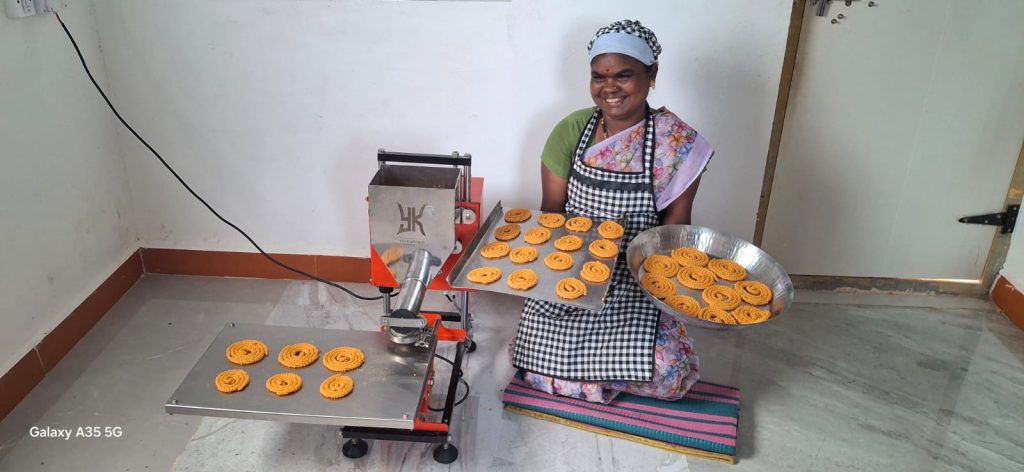
The implication is important. India doesn’t just need more businesses to start; it needs more of the businesses that already exist to grow. The transition from a business that supports its owner to one that employs others is where enterprise growth begins to translate into broader economic opportunity.
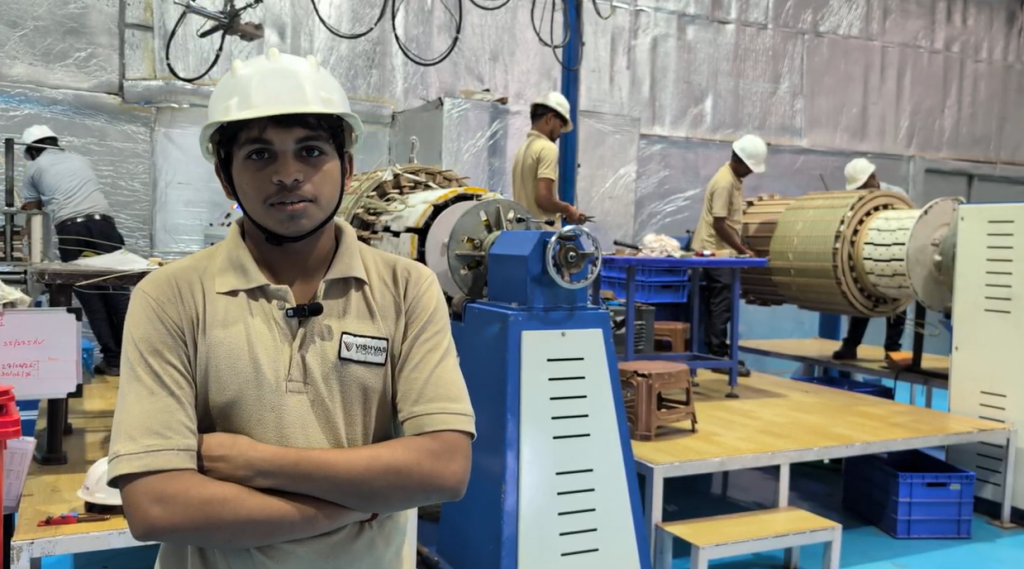
For India, this makes the growth of locally rooted businesses more than an MSME question. To attain Viksit Bharat by 2047, we need productive livelihoods at scale; the places where people live, work and build businesses have to be part of the growth story. And that brings the district into focus.
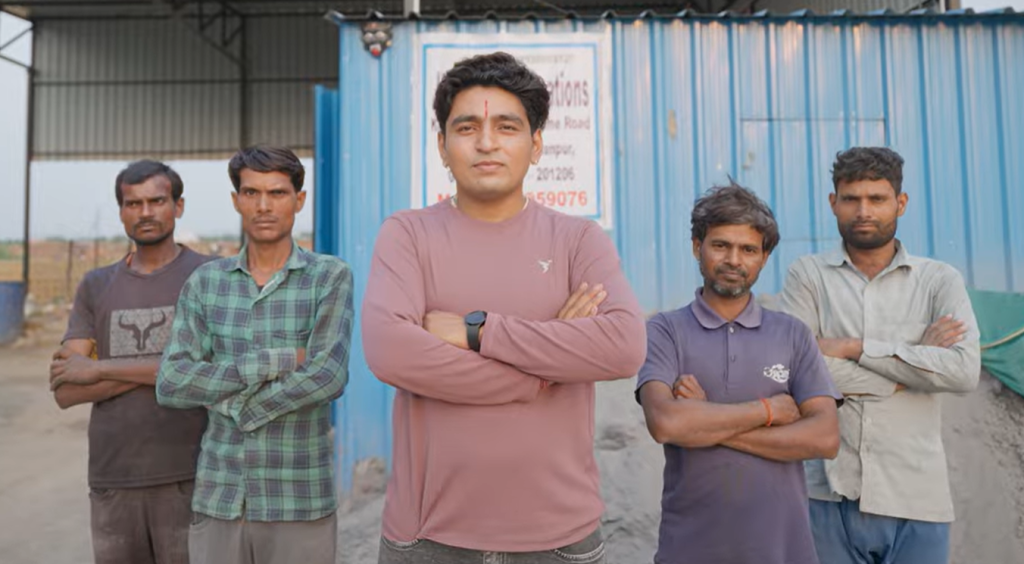
A district is large enough to contain a meaningful local economy, but close enough to understand its particular businesses, markets, institutions and constraints. Its economic opportunities may lie in manufacturing, agriculture, fisheries, tourism, services or emerging value chains; its constraints will be equally specific. There is no single formula for making every district grow.
This is something we have seen repeatedly through our work across Andhra Pradesh, Nagaland and Maharashtra. Nagpur has a strong base of industrial MSMEs and opportunities around youth entrepreneurship. In Visakhapatnam and West Godavari, agriculture, fisheries and tourism present different possibilities. In Nagaland, indigenous products and emerging value chains offer another pathway.
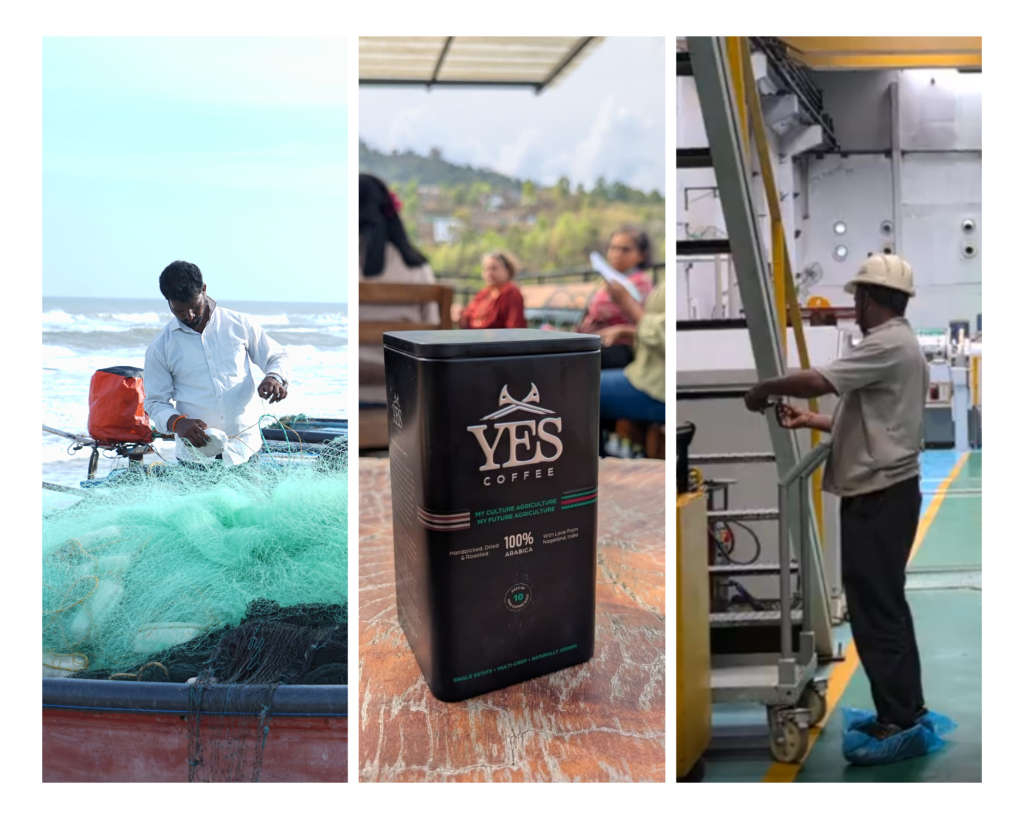
Yet across these very different contexts, one pattern has been remarkably consistent: the resources that a growing business needs often exist, but they do not necessarily connect around the business.
An entrepreneur may need finance, a larger market, technology, skills, better infrastructure or help navigating regulation and compliance. There may be institutions working on each of these areas, along with government schemes, banks, industry bodies, development organisations and private-sector players. But from the entrepreneur’s perspective, these can still feel like separate doors to knock on.
If Viksit Bharat is to mean more than aggregate economic growth, what needs to change in the way we help businesses grow?
Our experience suggests three shifts.
First; From access to growth
Finance, markets, technology and skills matter. But success cannot be measured by access alone; it has to be measured by whether these inputs help a business grow, take on larger orders, enter new markets, improve productivity or create jobs.
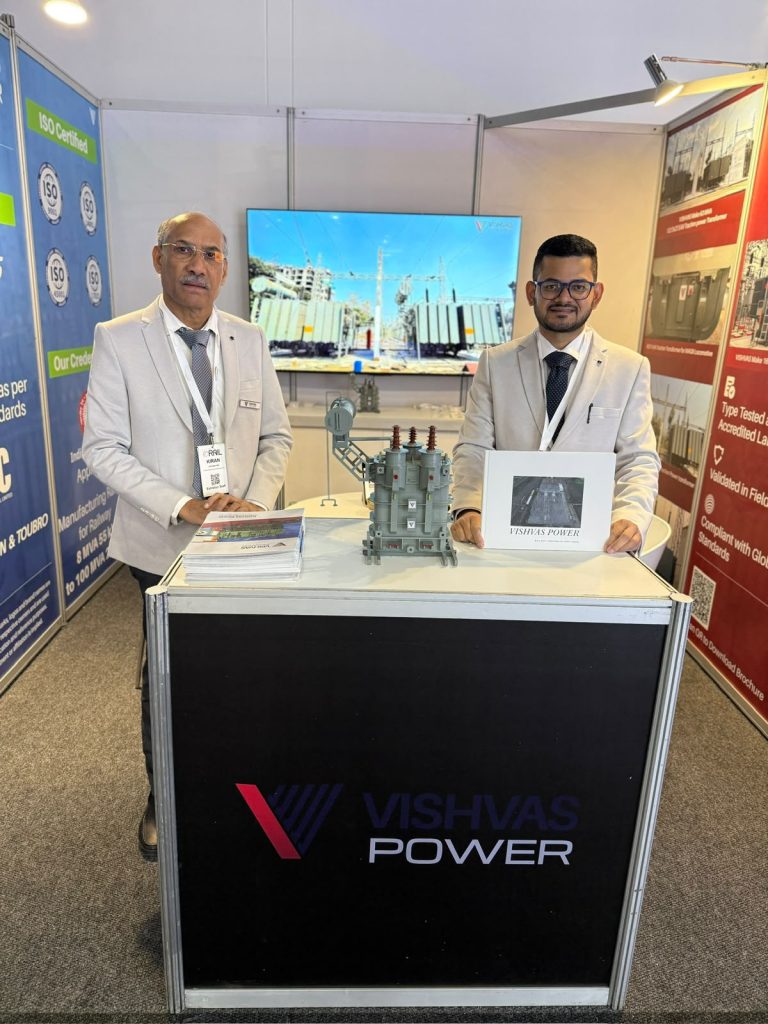
Second; From programmes to an ecosystem
If an entrepreneur has to navigate each constraint through a separate programme or institution, the system remains fragmented. The opportunity is to connect existing capabilities around the needs of the entrepreneur and the economic opportunities of the district, so the system works more coherently around the business.
Third; From external support to local ownership
External organisations can help connect the pieces and test what works. But lasting change comes when local government, entrepreneurs, industry, finance, academia and other institutions take ownership and carry the work forward.

This is the thinking that underpins the District Entrepreneurship Mission approach: understand the district, identify its economic opportunities, bring existing institutions together, fill critical gaps and, over time, enable local actors to own the system themselves.
We are still learning. The districts we work in are demonstrating different pathways, and there is no single template to replicate. But they are reinforcing one important idea that we believe could become a playbook across the country: when local institutions begin to work together around the growth of local businesses, entrepreneurial success can become more visible, more businesses can see what is possible, and growth can begin to create a wider economic effect.
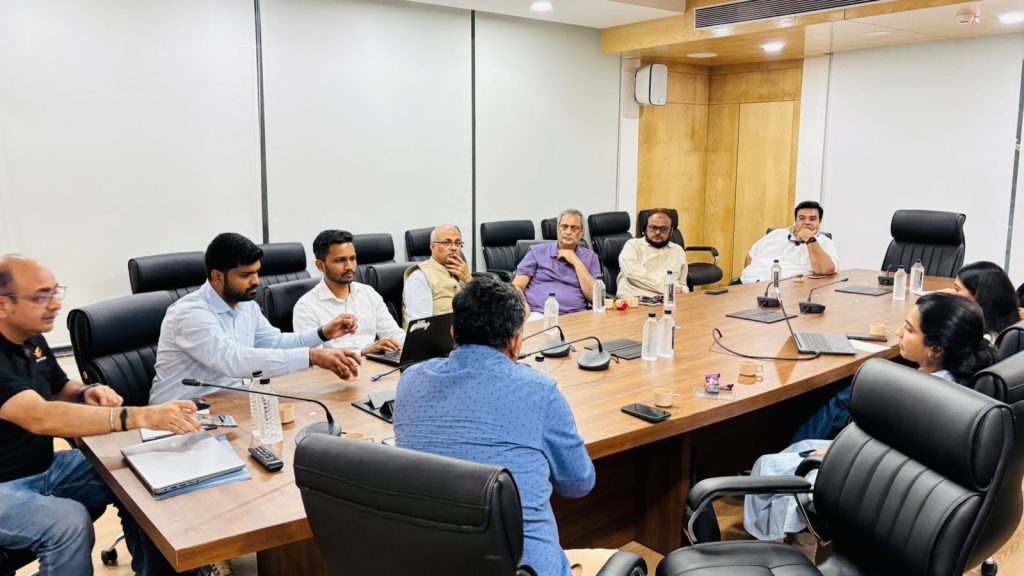
The Viksit Bharat 2047 mission will need large companies and globally competitive start-ups, but also millions of businesses rooted in its districts to move from starting up to scaling up. It must be experienced locally through businesses that grow, people who find jobs, markets that deepen and districts that become more dynamic.
More businesses growing faster. More jobs. Stronger local economies. That is how Viksit Bharat will take shape.
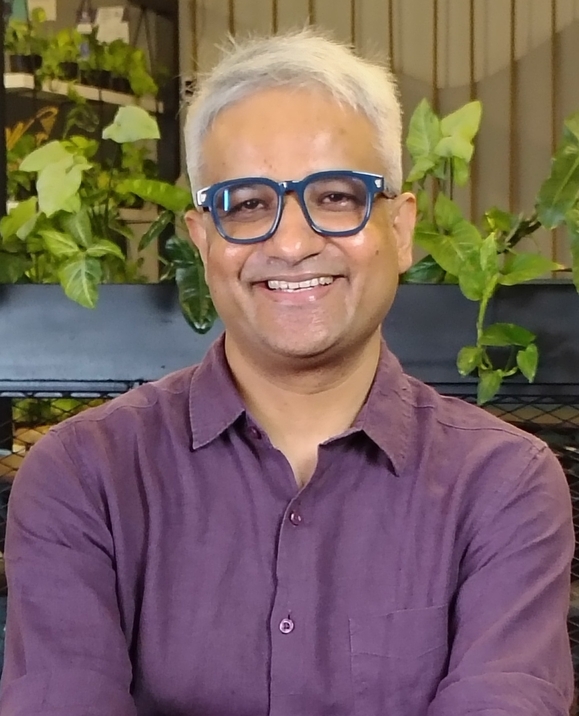
Author Bio:
Ketul Acharya (MDP, IIM Ahmedabad, 2007) is President of the Global Alliance for Mass Entrepreneurship (GAME), working to catalyse entrepreneurship-led economic growth across India. Over a 26-year professional journey, he has built and scaled institutions and initiatives spanning government, philanthropy, CSR and technology. He is particularly interested in how local ecosystems can unlock the entrepreneurial potential of districts and enable more people, especially women and young people, to turn ambition into enterprise, jobs and prosperity.
Sources: (1) PIB, 30 Mar 2026 (Udyam Registration Portal); PIB; NITI Aayog, Designing a Policy for Medium Enterprises.