
By Manish Kumar Srivastava, SMP 2019
When you think of Kailash Mansarovar, what does it mean? What does Tibet mean?
I will never forget the evening of 10th June 2026. I was in the office when an official from the Ministry of External Affairs (MEA) called to say I was confirmed in Batch 1 of the Kailash Manasarovar Yatra (KMY) via Nathu-La for 2026, with my medical in Delhi on the 12th.
Three hectic days followed: medical checkups, purchasing forex- Chinese Yuan and US Dollars- and endless last-minute shopping. Cleared by doctors at the (Indo-Tibetan Border Police) ITBP Base Camp Hospital, we received our Yatra identity cards
We were given a formal flag-off by Sh. Pabitra Margherita, Hon. Minister of State for External Affairs, Govt. of India on 14th June at the Ministry.
We flew to Bagdogra on 15th June and were welcomed by Sikkim Tourism, our hosts, and drove to Gangtok. In the evening, there were briefings by officials from the Sikkim Government on acclimatization and taking care of health at high altitudes.
For the next four days, we were gradually acclimatised at 10000 ft and 14000 ft at dedicated acclimatisation centres for Yatris. All the facilities were newly built, and we could smell the fresh paint. Our hosts took care of boarding and food. Our health was monitored regularly by the medical team of ITBP. During our stay, we also visited Tsonmgo Lake (12313 ft).
We also visited the Baba Harbhajan Singh Mandir, dedicated to a soldier who died in 1968 and is believed to guard his comrades till date. As the first batch, we received a special ardaas for a safe journey and return
On 20th June, Hon. Governor of Sikkim, Sh. Om Prakash Mathur, along with ministers of the Sikkim state government, gave us an official send-off from India.
We crossed over to the People’s Republic of China Via Nathu-la Pass (14100 ft) and entered Tibet (called Xizang Autonomous Region by the Chinese) around noon. As China Standard Time is 2.5 hours ahead of us, we adjusted our watches accordingly.
After preliminary checks and screening on the Chinese side, we boarded three luxury buses and descended to its main immigration checkpoint from Nathu-la. We were escorted by Police vehicles as well as a medical team dedicated to us.
The Immigration and customs by the Chinese Authorities were smooth and prompt. They were courteous and helpful.
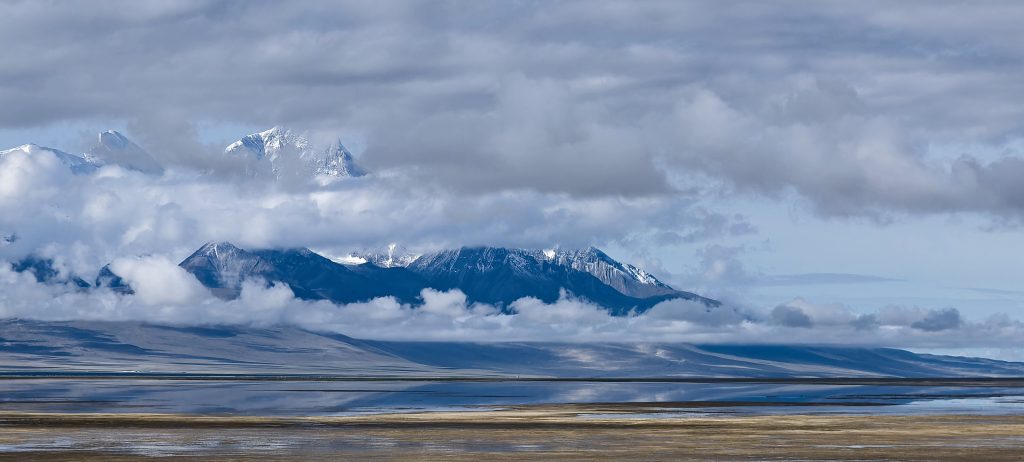
For the next three days, we travelled across Tibet to reach Darchen (15322 ft.), the base for Kailash Parikrama on 23rd June. We witnessed Tibet’s untouched Nature and clear Blue skies, which were a rare sight for people who live in Delhi- NCR.
In Darchen, we witnessed “Mount Kailash” for the first time with our own eyes. It was a very emotional moment for all of us. We were filled with gratitude that Lord Shiva has allowed us to visit his home, and all our good “Karmas” from past lives have paid off.
Next day, 24th June, we started our circumambulation around Mount Kailash. We reached Yam Dwar (15780 ft), from where the Parikrama starts. I preferred to trek on foot, but hired one Tibetan porter to carry my rucksack for the next three days. The Parikrama on the first day allows us to witness the west face of Kailash. We were lucky to have clear skies, though there were strong and chilly winds with strong sun. We took proper precautions in our clothing as well. The first day of parikrama concluded with reaching Deraphuk (16600 ft) for our night halt.
We witnessed the north face of Kailash from Deraphuk. We were physically closest to the lord on this day. We were blessed with clear skies and good weather. At this altitude, the lack of oxygen started taking a toll on our body and mind. I was unable to sleep at Night and had to take oxygen to take a wink.
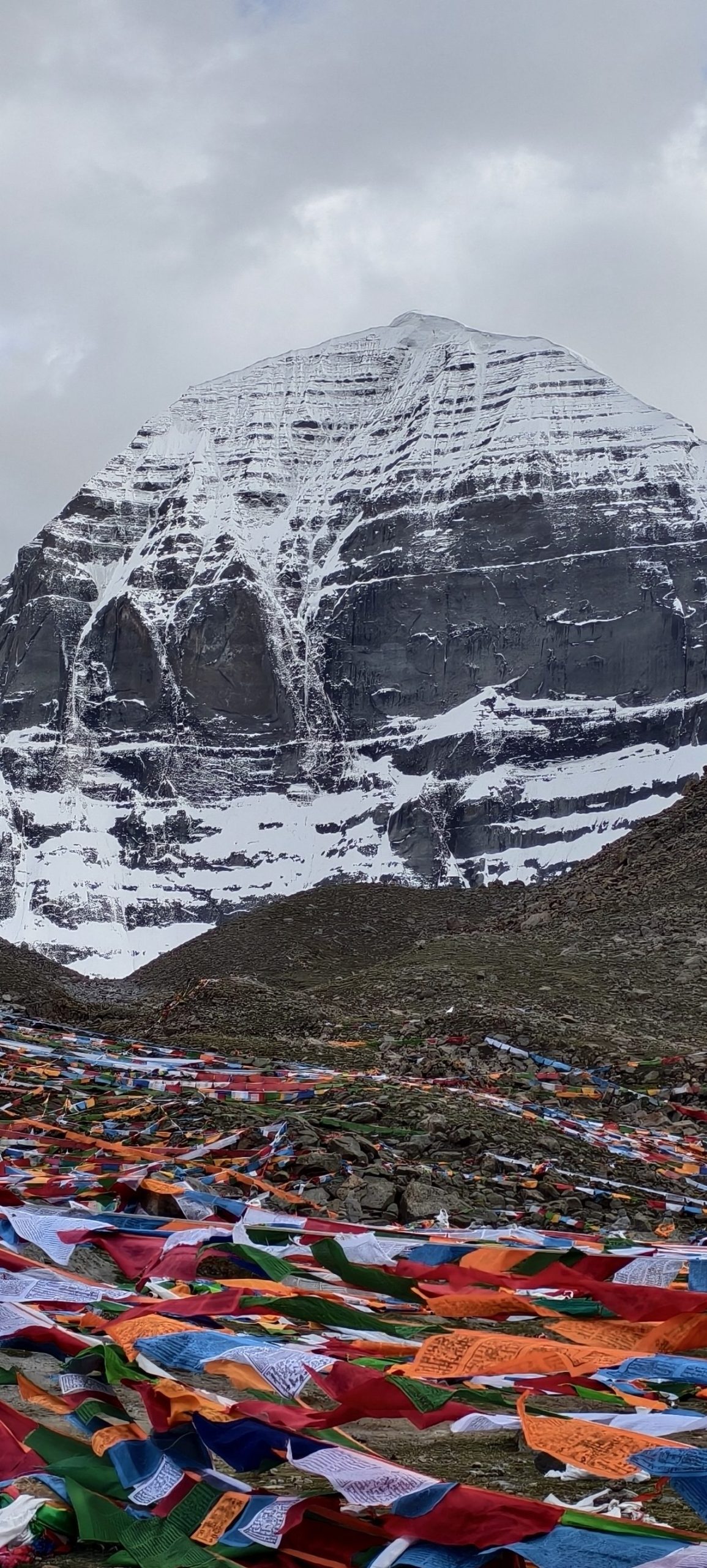
Day II started early as it was going to be the toughest day. It involved trekking 19 Kms and crossing Dolma-La Pass(18340 ft) and reaching Zuthulpuk (15680 ft) for the night halt.
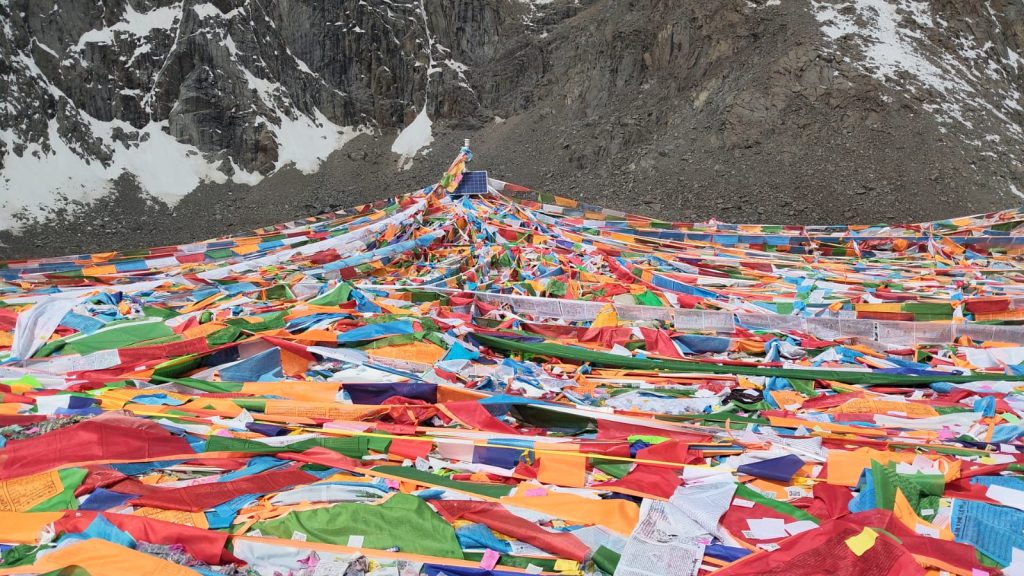
We experienced severe oxygen deficiency during this day. The primary reason was that we were well above the tree line. Despite prior acclimatisation, we were pushing ourselves. We had complete faith in Lord Shiv and surrendered ourselves to him!
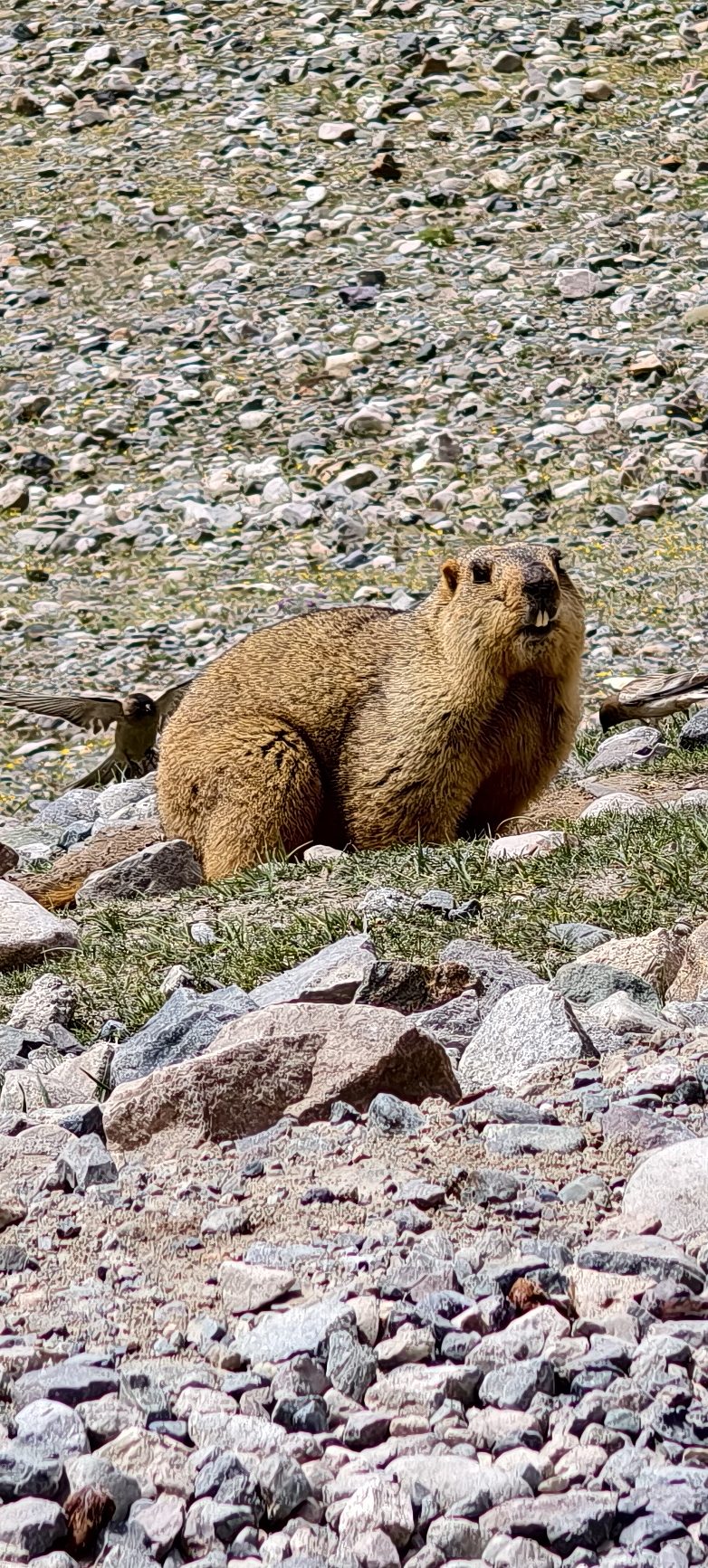
While traversing Dolma-La pass, we beheld the sight of “Gaurikund”, the birthplace of Lord Ganesha. At this point, we were behind Mount Kailash. We couldn’t stay here for long as the path was narrow, lack of oxygen was making us difficult to take even one step. Not to mention, there were other pilgrims, local Tibetans, Chinese, Nepalese, and Indians from other nationalities.
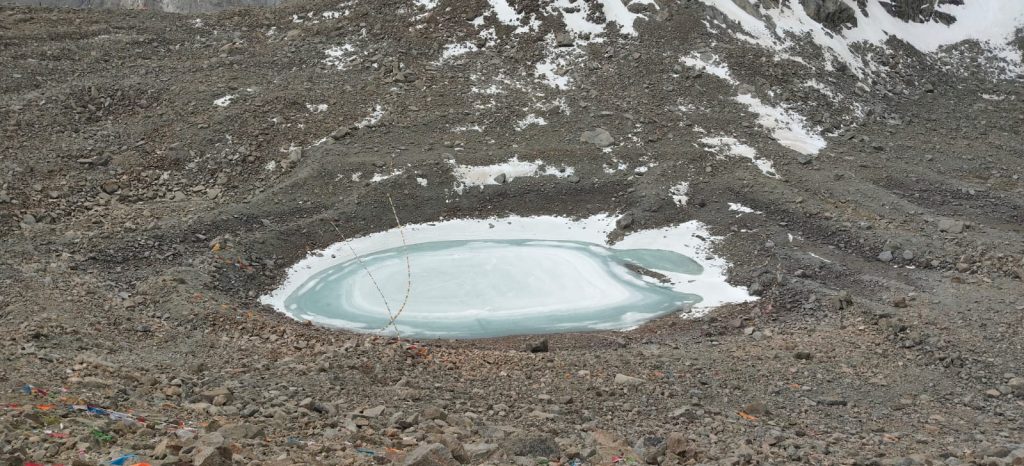
After descending from the pass, we walked for 7 Kms to Zuthulpuk for the night.
Day 3 was fairly easy as we walked for 6 Kms to reach the pick-up point for our Buses. We reached Darchen and, after freshening up, immediately left for Chugu on Mansarovar Lake.
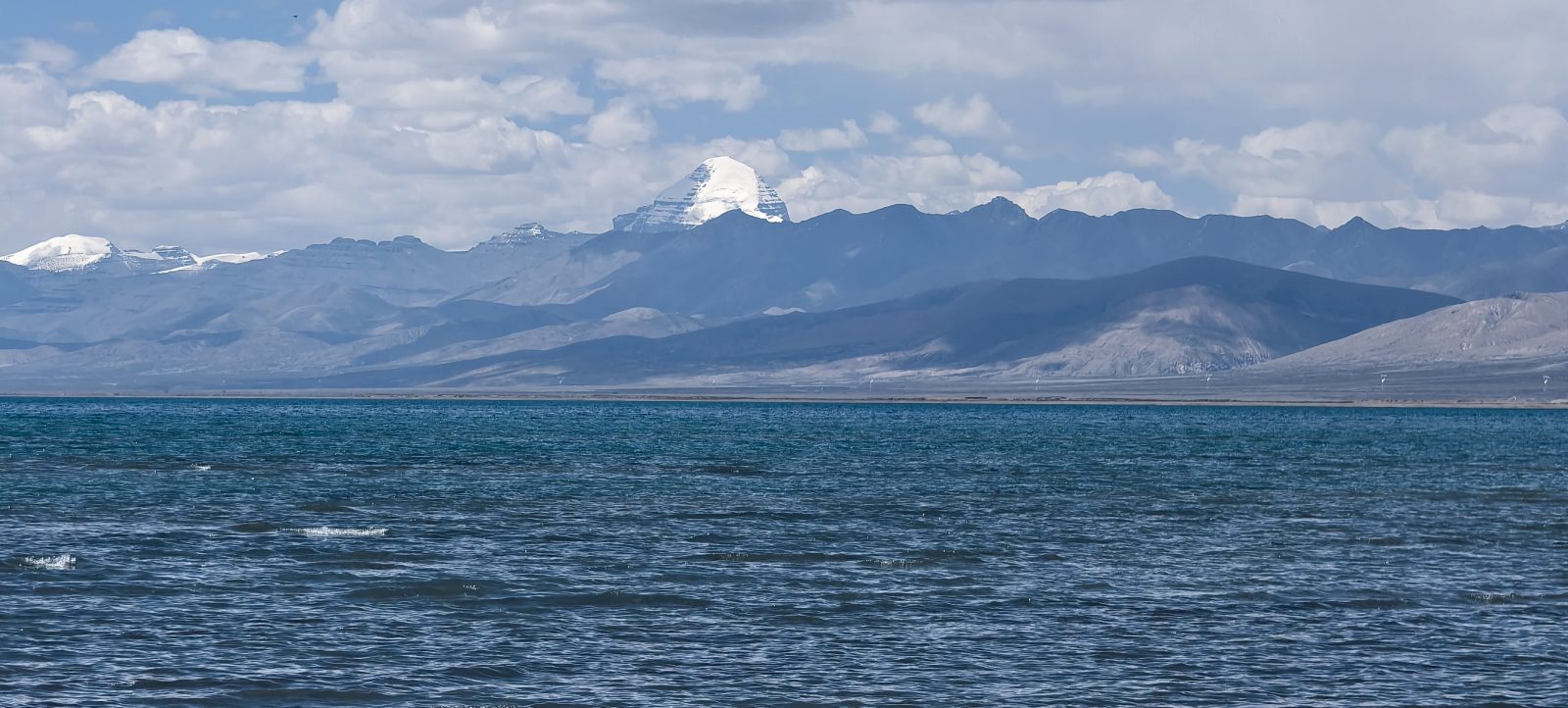
From Mansarovar, we saw Kailash; it was hypnotising and mesmerising at the same time. We were at a loss for words to describe it!
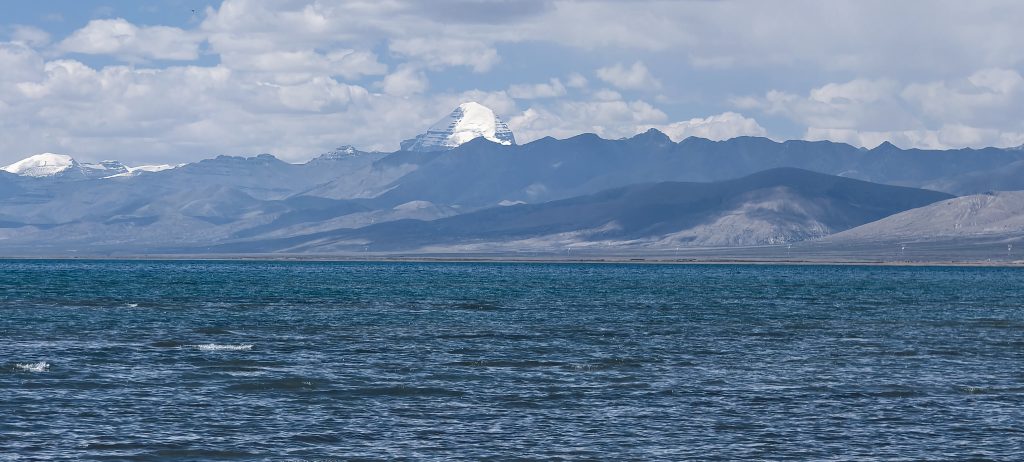
We stayed for two days at Chugu and performed Pooja, took a bath, and remembered our ancestors. We were indebted to Lord Shiva for the successful journey and for keeping us in good health.
On 28th June, we started our return journey to India via Nathu-la. We visited “Rakhsas Taal”, which is linked to King Raavan, when he performed severe penance to Lord Shiva on the same day, and continued with our Yatra.
On 1st July, we crossed into our beloved Bharat via Nathu-la at 1.30 PM China Time. Needless to mention, we adjusted our clock to 11 AM India Time. In a sense, we all travelled back in time. We were welcomed by the Indian Army and ITBP. A “BadaKhana” (Feast) was organised for all of us. We feasted on Paneer and Poori as we missed it dearly!
ITBP honoured us with a letter of commendation on the successful completion of our pilgrimage. Similarly, in Gangtok and New Delhi, we were felicitated by the Sikkim government and the MEA with formal Certificates of completion of the pilgrimage.
This yatra leaves pilgrims with deep personal insights, transforming how they view material comfort, ego, and daily existence. Returning from KMY teaches lasting values about simplicity, inner resilience, and human humility.
Key Personal Takeaways
- Deep Gratitude
Realizing how few material comforts are truly needed to survive and find peace makes everyday luxuries feel like profound gifts. Faith gives us strength; devotion gives us peace, and gratitude gives us happiness.

- True Humility
Standing before the massive, raw power of the sacred peaks humbles the ego, showing just how small human beings are in the vast universe. Realised at 18000 ft, Ego means nothing.
- Mental over physical strength
Surviving extreme cold and harsh paths proves that willpower, faith, and a steady mind matter more than physical perfection.
- The Power of Pacing
Slowing down on the trail teaches that not everything in life needs to be rushed and things unfold best in their own natural time.
- Surrender and Acceptance
Unpredictable weather and terrain teach flexibility, proving that we cannot control everything and must learn to adapt. Few Journeys are meant to be surrendered; not everything can be controlled.
- Health is not optional
Life will give you big opportunities suddenly and will not give you time to prepare. If you are fit, then you can go anywhere and do anything. Therefore, give priority to your health, so that if life gives you Mansarovar, don’t say NO to it or regret it by saying -Alas! I would have been better prepared.
The real kora happened within me
I believed my journey was incomplete without the Kora. But Kailash taught me otherwise!!
Real kora happened in my mind, my thinking, and my consciousness.
I started by finding Shiva in the mountains, but realised-Shiva is within me.
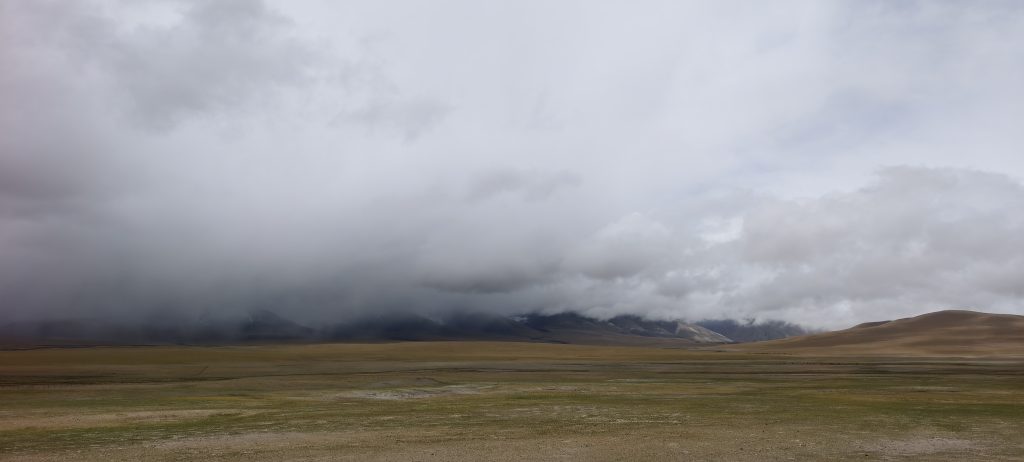
Body Returned……Soul stayed at Kailash.
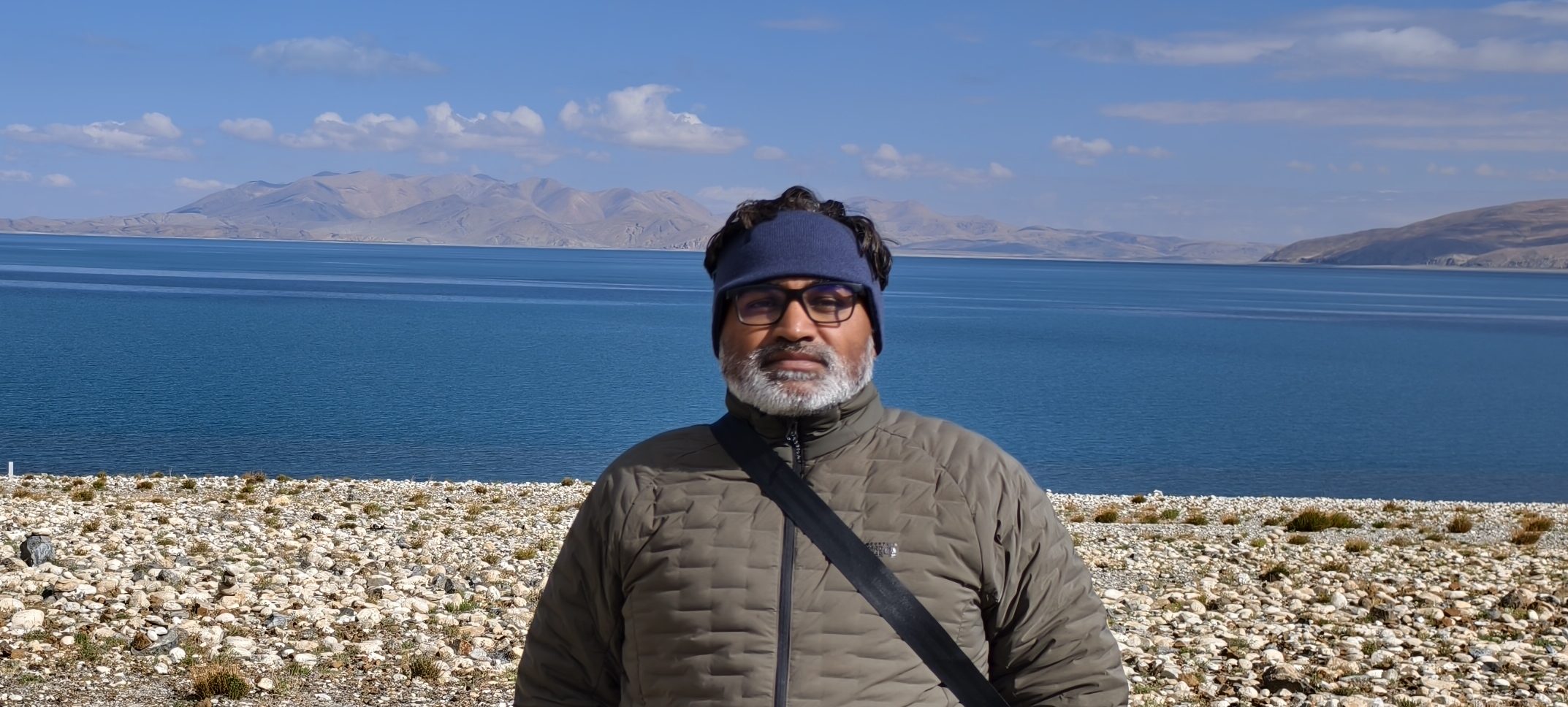
Authors Bio
Manish Kumar Srivastava (SMP 2019) is an IIM Ahmedabad alumnus who travelled in the first batch of the MEA’s 2026 Kailash Mansarovar Yatra via Nathu-La. The Author expresses deepest gratitude and Thanks the MEA, MHA, ITBP, the Governments of Sikkim and Uttar Pradesh, STDC, Liaison officers Sh. Vivek Kumar Pandey (ITBP), Dr. Suman (ITBP), and Ms. Priyadarshini R from MEA.
The author also wishes to thank Amb. Vikram Doraiswami, Ambassador of India to the People’s Republic of China, and the team at the Embassy of India in Beijing, China, for making necessary arrangements for the smooth travel of Yatris.
All photographs courtesy of the author.