
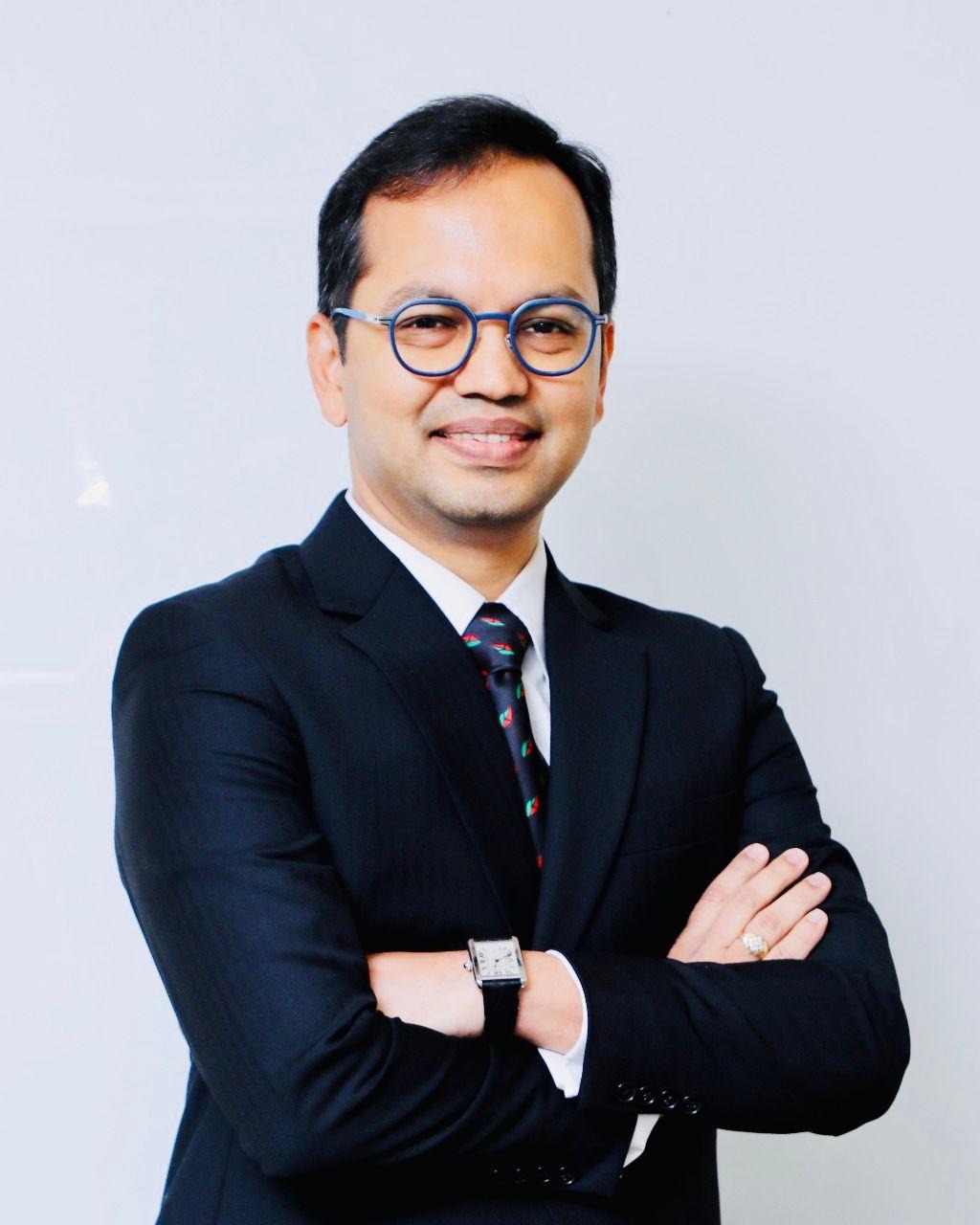
By Ashish Lakhotia | EEP 2018
When I was studying as a Chartered Accountant, I lived in a world that generally made sense. Numbers balanced out. Financial models had predictable outcomes. If you put in the right inputs, you could reasonably expect the right outputs. Over the last two-plus decades, as my career moved into the operational side of global agriculture, I learned very quickly that the real world rarely follows a spreadsheet.
Taking on the leadership of ETG Agri Inputs was the definition of an unscripted career move for me. I went from looking at financial risks on paper to managing physical supply chains that dictate whether millions of farmers get their inputs on time. You realize fast that, in agriculture, a storm in one part of the world or a political decision in another changes your entire year. The foundational finance skills I built early on did not prepare me for the physical chaos of the supply chain, but they did teach me how to manage risk when things go wrong.
And things do go wrong. A perfect example is what we dealt with in the Strait of Hormuz at the time of first writing this article. We were managing a live logistical bottleneck that no one could have fully planned for. There were around 3,200 vessels immobilized in the Gulf. That is roughly four percent of global shipping capacity just sitting in the water. To make matters more complicated, GCC airspace has been restricted since the first of March this year. That means our usual backup plan of using time-sensitive air freight was completely off the table.
This was not just a maritime shipping problem. It was a direct and immediate threat to global food security. At ETG, we had about 290,000 metric tons of fertilizer caught in this disruption. The financial shockwaves hit instantly. Urea prices shot up by ninety percent and crossed the $900 per metric ton FOB AG mark because of the shortage. Similarly, global freight rates easily doubled and sometimes tripled because ships were being forced to reroute all the way around the Cape of Good Hope. Middle East routes were carrying massive additional premiums per vessel.
This is where the unscripted nature of the job really hits you. You cannot just wait for the water to clear or the airspace to open. We had to pivot our entire financial structure to keep the business moving. We immediately worked on expanding our working capital to absorb the massive spikes in raw material and procurement costs. We further stepped in and adjusted our trade finance tenors and negotiated extended grace periods on principal repayments as ships were taking much longer to arrive via the Cape. We essentially had to stretch our financial timelines to match the new physical reality of the extended shipping routes. Re-routing the cargo became the norm, and accordingly, managing the supply chain became the top priority

If you had told me during my early CA days that I would spend my time tracking immobilized cargo ships and negotiating trade finance tenors due to airspace restrictions, I would not have believed you. But that is exactly what makes a career interesting. You cannot script the challenges that will come your way, whether it is a global pandemic, changing weather patterns, or a blocked trade route. All you can do is rely on your core skills, trust your team on the ground, and adapt to the reality in front of you.
Author Bio:
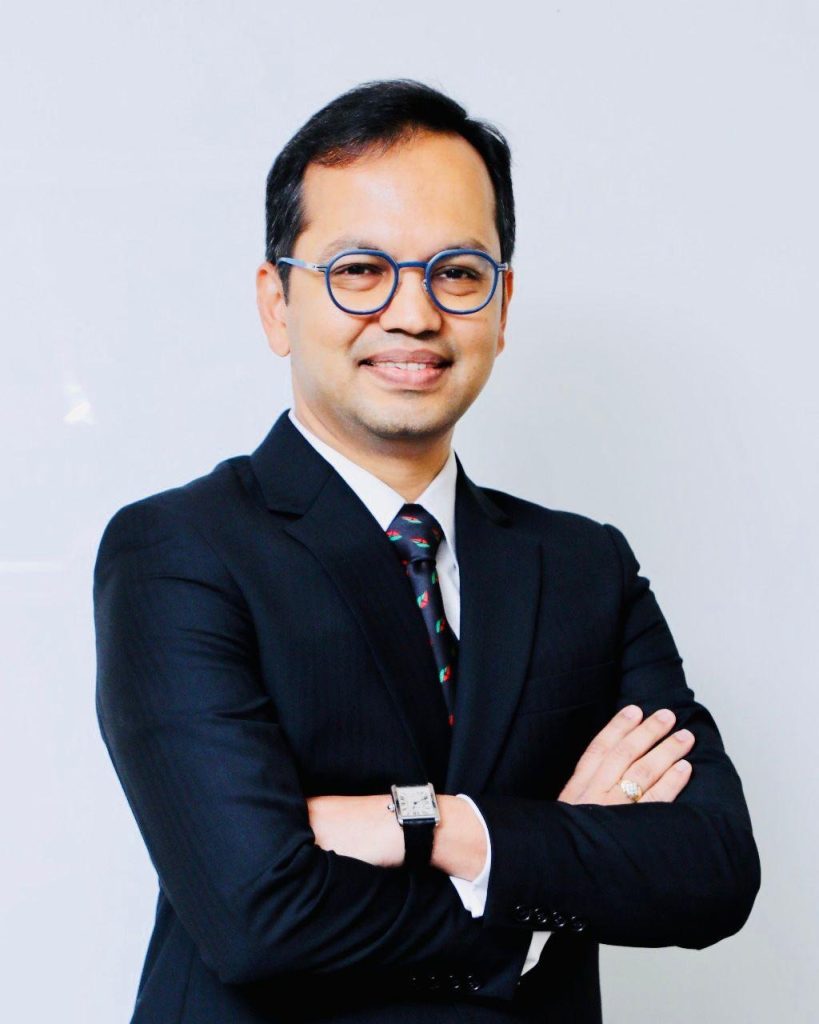
Ashish is a forward-thinking professional with over 20 years of experience in the Agri inputs industry (Fertilizers, Crop Protection, Seeds, and Farm implements). He oversees ETG Agri Inputs with over 1800 employees, a turnover of $2.5 billion, and impacts over 20 million farmers across 35+ African countries, and is currently expanding the business beyond Africa in Latin America, Europe, Asia, the Middle East, and North African markets.
He is a recipient of the Global Business Leader Award from ICAI (2026), Young Alumni Achievers Award from IIM A (2025), and Global Frame Award – Agri-business leader of the year from Gulf Business Award (2023).