
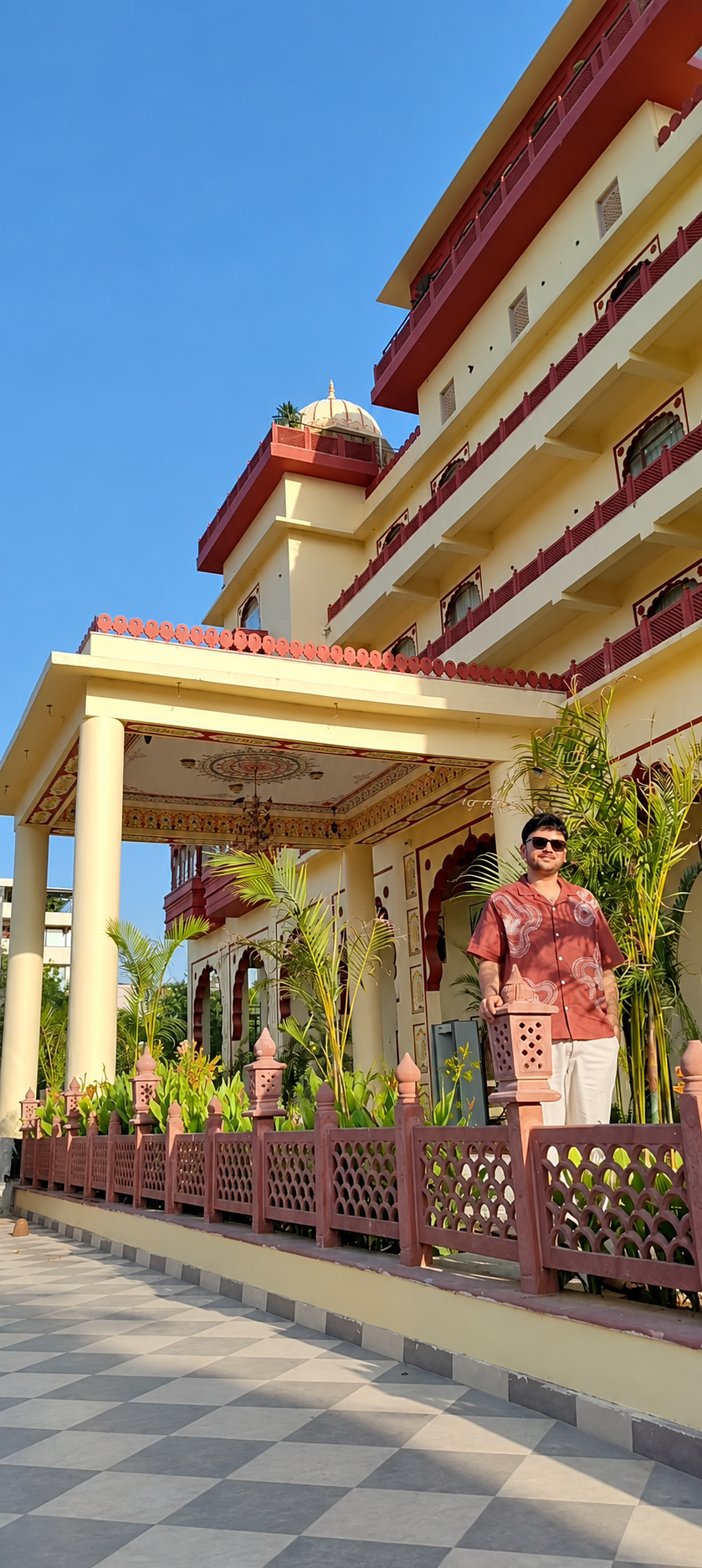
By Vaibhav Suranaa, PGP 2018
Somewhere between an architectural drawing and a finished hotel, the word “heritage” becomes surprisingly difficult to explain. It can mean a particular arch to an architect, an extra complication to a contractor, and an atmosphere to the person imagining the finished space. Leading the effort to build Hotel Ranavilas Palace in Jaipur taught us how much work lies in getting these interpretations to meet.
For our family business, the Compucom Group, the hotel represented a substantial commitment to hospitality. Our ambition was to create a place that felt rooted in Rajasthan, with the comfort and service that travellers from anywhere could reasonably expect. The 100+ rooms would accommodate people arriving for work, celebrations or a holiday, in a building shaped by Rajasthan’s architectural traditions. We wanted its jharokhas and courtyards, its food and welcome, to give Rajasthan’s traditions a place in the daily experience of a modern, functioning hotel.
My father, Sh. S. K. Surana, brought his experience of building the group to the project. His sustained efforts throughout construction helped us keep immediate difficulties in perspective and consider what the hotel would mean for the family business over time.
Our familiarity with Rajasthan made that ambition feel obvious. I initially mistook shared enthusiasm for a shared understanding. An idea did not automatically become clear in a drawing or a worker’s instructions. We learnt that communicating a vision meant explaining the choices beneath the adjectives.
COVID-19 complicated almost everything. Construction schedules became uncertain, labour and material availability grew difficult, and costs moved beyond earlier estimates. We also had to ask what travel and hospitality would look like when the disruption passed. Proceeding meant accounting for the family’s capital and the people whose livelihoods depended on the project. Confidence coexisted with considerable doubt.
Changes of architects interrupted continuity. Drawings could move between professionals; the reasoning behind them travelled less easily. Each transition required explaining again how the spaces should relate and what experience the hotel was meant to offer. A fresh perspective could help, but it also reopened questions we thought had been settled.
There were disagreements with contractors too. A detail that seemed essential to us could appear unnecessarily elaborate to someone delivering it within a budget and a deadline. Their concerns were often legitimate. We had to distinguish between an idea worth defending and a preference we had become attached to. I did not always make that distinction gracefully.
We learnt that frustration was a poor substitute for clarity. Repeating that we wanted a heritage style hotel did little to resolve a disagreement. Explaining why a proportion mattered, how a finish affected the room, or where a proposed shortcut would weaken the experience made discussion more useful. The vision needed to become decisions everyone could act on.
The recurring message was simple: Rajasthan should be recognisable in the architecture and hospitality, and guests should feel comfortable using every part of the hotel. An attractive room still needed convenient lighting, a comfortable bed and a bathroom that worked reliably. The warmth of a welcome had to continue into the handling of a request or complaint.
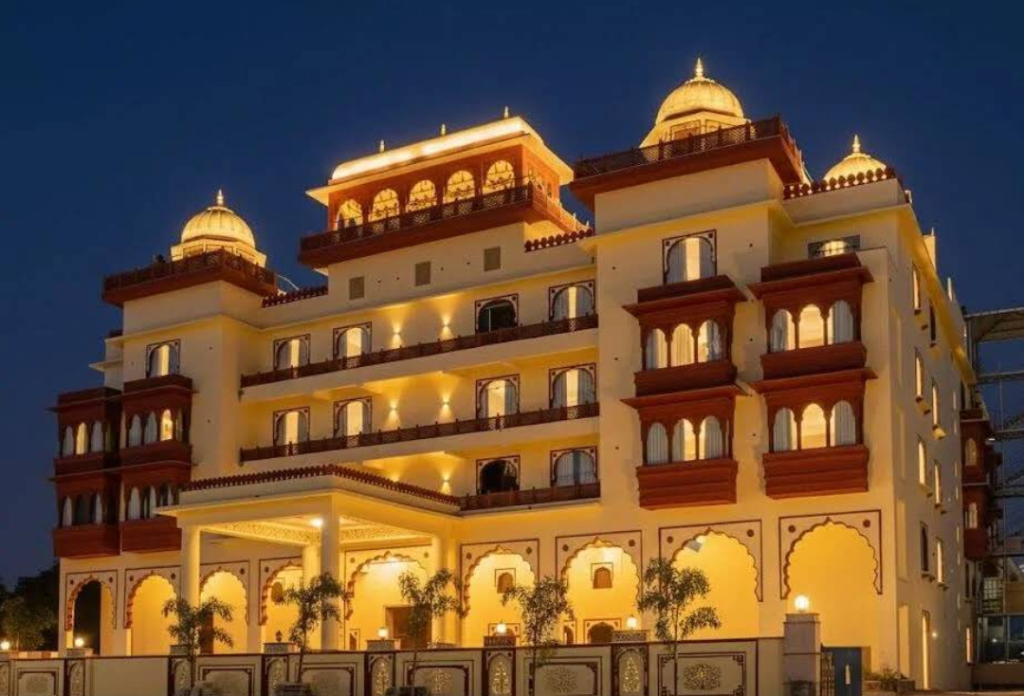
That clarity did not eliminate delays or make everyone agree. It gave us a reference point when individual decisions threatened to pull the project apart. We could change a material or reconsider a detail while remaining broadly faithful to the intention. We kept moving in the right general direction, even when the route was untidy.
My time at IIM Ahmedabad gave me ways to think about coordination, incentives and tradeoffs. Working together on site made those ideas face practical reality. An unresolved decision affected someone else’s work the next morning. A vague instruction could become an expensive correction. Leadership meant returning to a discussion with a better explanation, sometimes accepting that it came from someone else.
Hotel Ranavilas Palace is now operational, and completing its construction was a milestone for our family business. We take pride in that, with an awareness of the collective effort behind it. Family members shared the uncertainty. Architects, contractors, workers and the hotel team contributed different strengths. Some decisions could have been better; some conversations could have been kinder. But building something significant sure gives a lot of satisfaction and learnings.
When we consider Viksit Bharat @2047, we think about businesses that give local traditions a place in a growing economy. Hospitality offers one such opportunity. It brings Indian traditions into everyday contact with visitors and creates work for local artisans and hospitality professionals. The aspiration “Made in India, Made for the World” becomes tangible when someone experiences Rajasthan and also finds the reliability they expect.
Construction gave us the building. Running it asks whether the promise survives an ordinary Tuesday: in a clean room, a thoughtful meal, or a problem handled patiently. That is the work ahead. We hope Ranavilas offers a recognisable essence of Rajasthan to people from everywhere, and makes them feel well looked after while they are here.
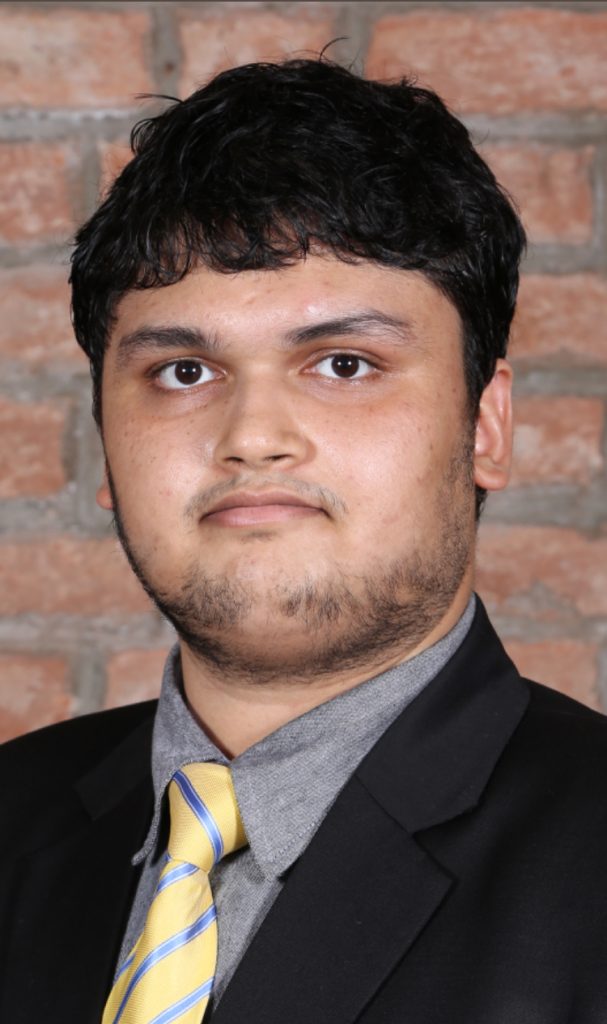
Author Bio:
Vaibhav Suranaa (PGP 2016–18) is an alumnus of IIM Ahmedabad and IIT Delhi. He is Executive Director at Compucom Software Limited and heads the Compucom Group’s hospitality venture, Hotel Ranavilas Palace, Jaipur. Working alongside his family and team, he has helped lead the hotel’s development with a vision of preserving Rajasthan’s architectural traditions while meeting global expectations of guest comfort and service.