A Morning Well Spent: Walking Through History at Vijay Durg
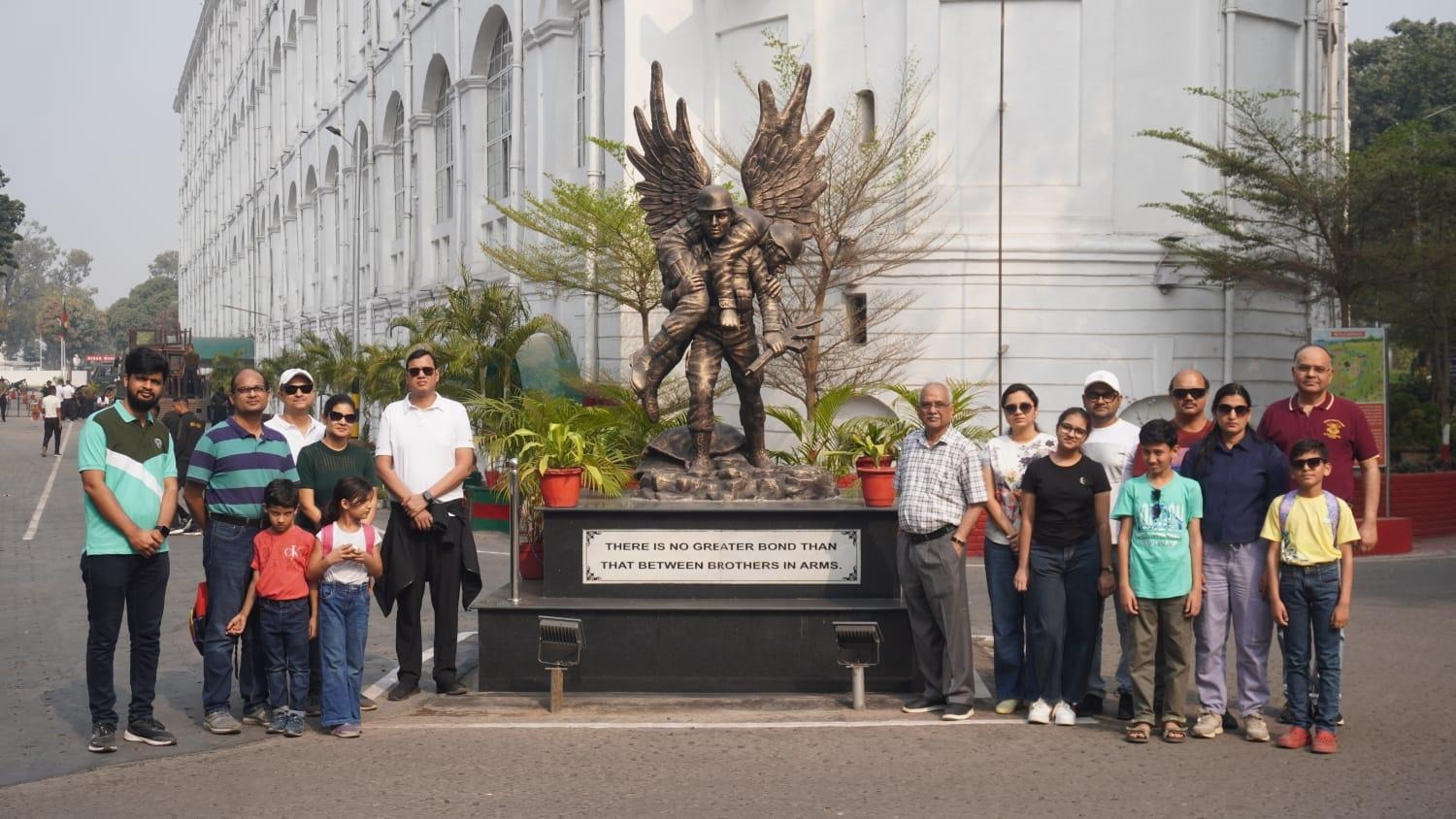
The Kolkata Chapter of the Alumni Association curated a memorable heritage walk at Vijay Durg—the Headquarters of the Indian Army’s Eastern Command, formerly known as Fort William. This iconic British-era monument opened its gates for a thoughtfully organised visit, thanks to the efforts of Sumant Bhutoria, who aptly leveraged Ankur Chaturvedi’s association with the military to make the experience possible.
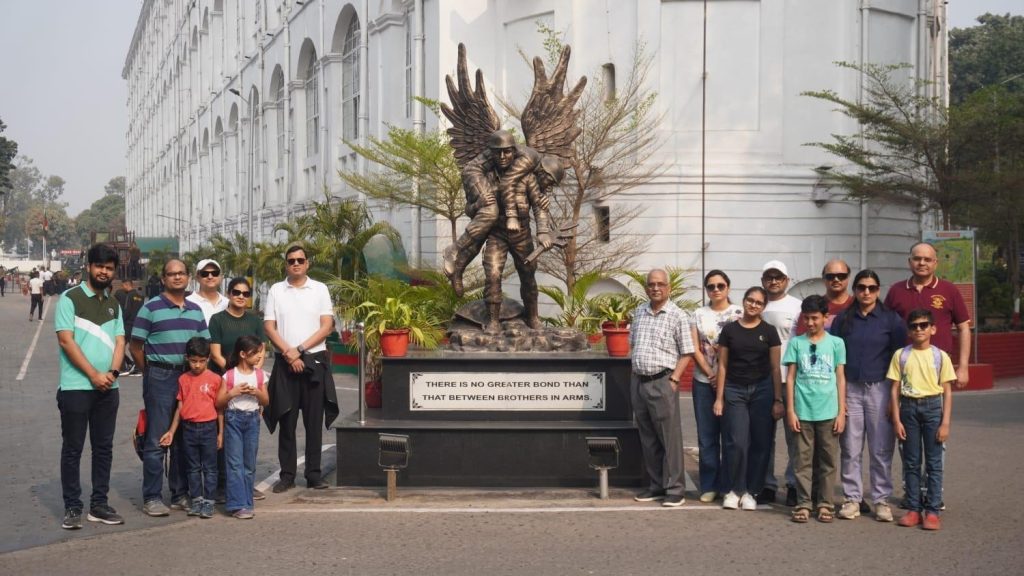
The morning brought together an enthusiastic group of alumni and their family members, united by curiosity and a shared sense of pride. Adding a touch of inspiration, Mr. Madan Mohanka once again demonstrated that age is no barrier, as he chose to complete the entire tour on foot despite being permitted vehicular access.
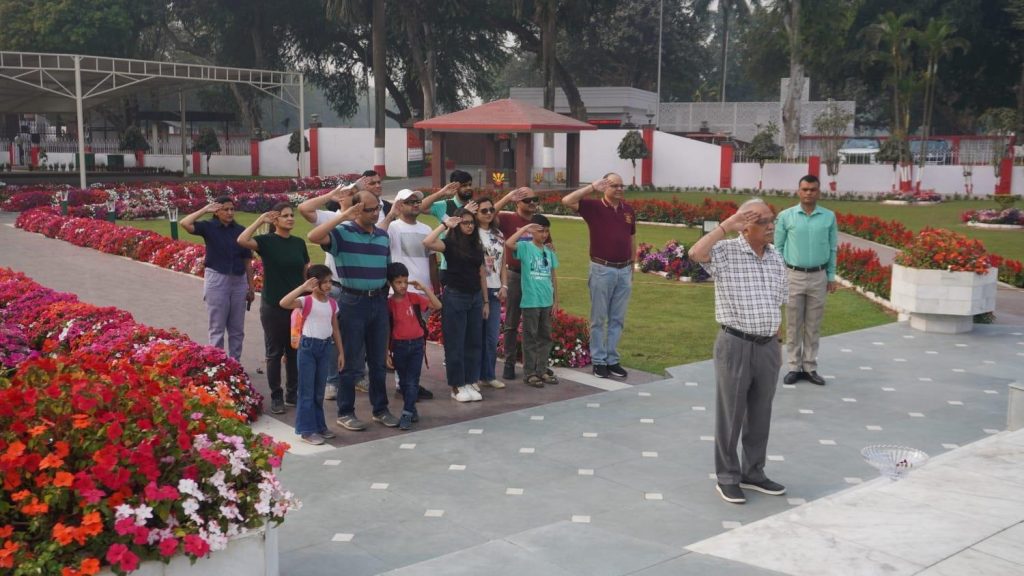
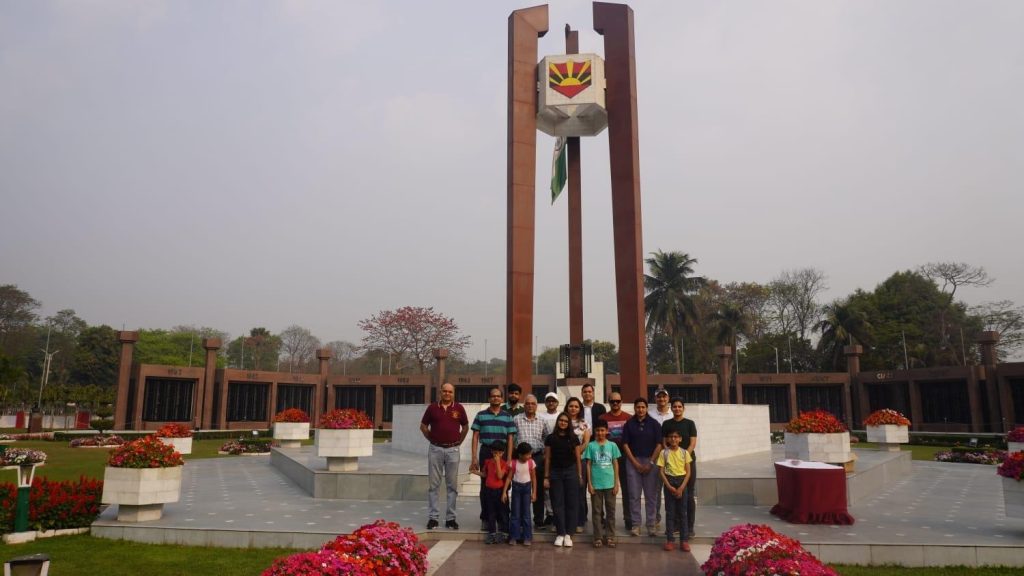
The visit commenced at the Vijay Smarak, where the eternal flame set within three granite pillars stands as a solemn tribute to the fallen heroes. The Tri Services Park showcased a captured M24 Chaffee tank from the 1971 war, a MiG-21 supersonic fighter aircraft, and a model of the indigenous INS Shivalik stealth warship.
The group then passed through the Moat Area marked by the iconic Princep Lions, entering through the gate beneath the ramparts. The Netaji Barrack (formerly Dalhousie Barrack), which once held Mangal Pandey during the 1857 revolt and later served as a private prison for Netaji Subhas Chandra Bose, offered a powerful historical connection. Similarly, the Bindee Tiwari Complex—named after the leader of the 1824 Barrackpore revolt—once housed the last Nawab, Wajid Ali Shah, under house arrest. The serene St. Peter’s Anglican Church, a fine example of Gothic architecture, now serves as the Eastern Command Library. The walk also included the Manekshaw Officers’ Mess, originally constructed in 1771 as the Commander-in-Chief’s residence and recently renamed in honour of Field Marshal Sam Manekshaw.
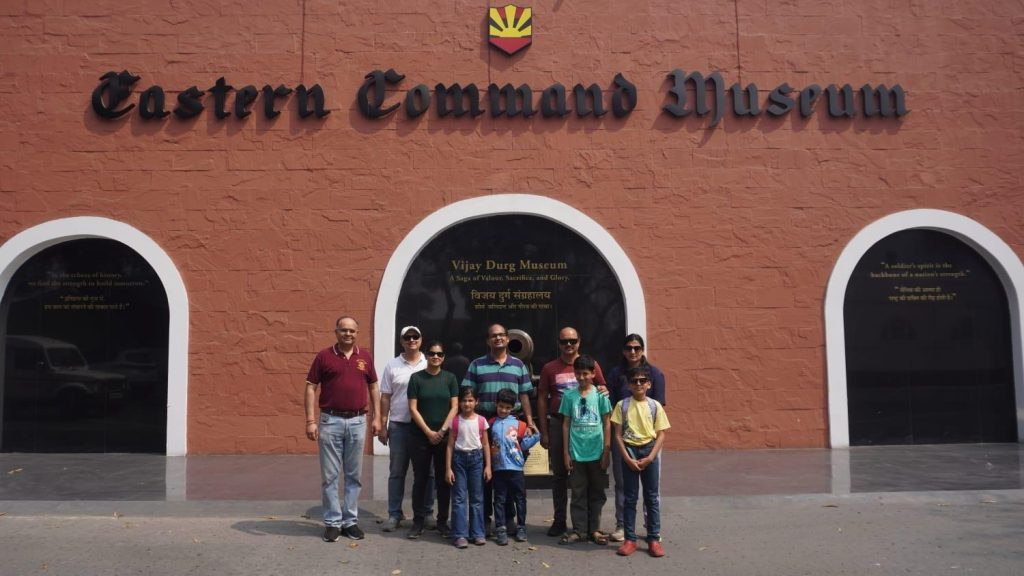
The experience seamlessly blended the past with the present. The museum within Vijay Durg served as a poignant repository of India’s military history—chronicling defining moments from Plassey and Buxar to the World Wars and the 1971 Liberation War. Displays of evolving uniforms, weaponry, and surrendered enemy flags offered a sobering reminder of sacrifice and resilience.
Together, the walk offered not just a glimpse into history but an immersive journey through the milestones that shaped the nation. It was, indeed, a morning well spent—rich in learning, reflection, and camaraderie.