Remembering Diwan Arun Nanda
Distinguished Alumnus • Pioneer of Indian Advertising • Visionary Institution Builder
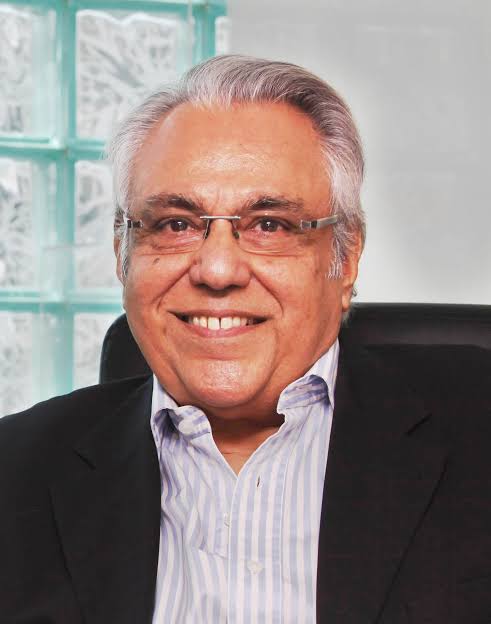
Diwan Arun Nanda
(1943–2025)
When IIM Ahmedabad welcomed its inaugural Post Graduate Programme in 1964, the Institute was itself beginning a journey that would redefine management education in India. Among the pioneering students who entered its classrooms was Diwan Arun Nanda, who graduated two years later as a member of the Institute’s first graduating batch (PGP 1964–66) and its Gold Medallist. Over the next six decades, he built a remarkable career that transformed Indian brand communication and demonstrated how management education, guided by vision and purpose, could shape an entire industry.
The passing of Diwan Arun Nanda in September 2025, at the age of 82, marked the end of an extraordinary chapter in Indian business history. Across the country, industry leaders, institutions, former colleagues, and media organisations paid tribute to a man whose influence extended far beyond the advertising profession. For the IIM Ahmedabad community, however, the loss was especially personal. The Institute remembers one of its earliest and distinguished alumni whose life embodied leadership, entrepreneurship, institution building, and an unwavering commitment to excellence.
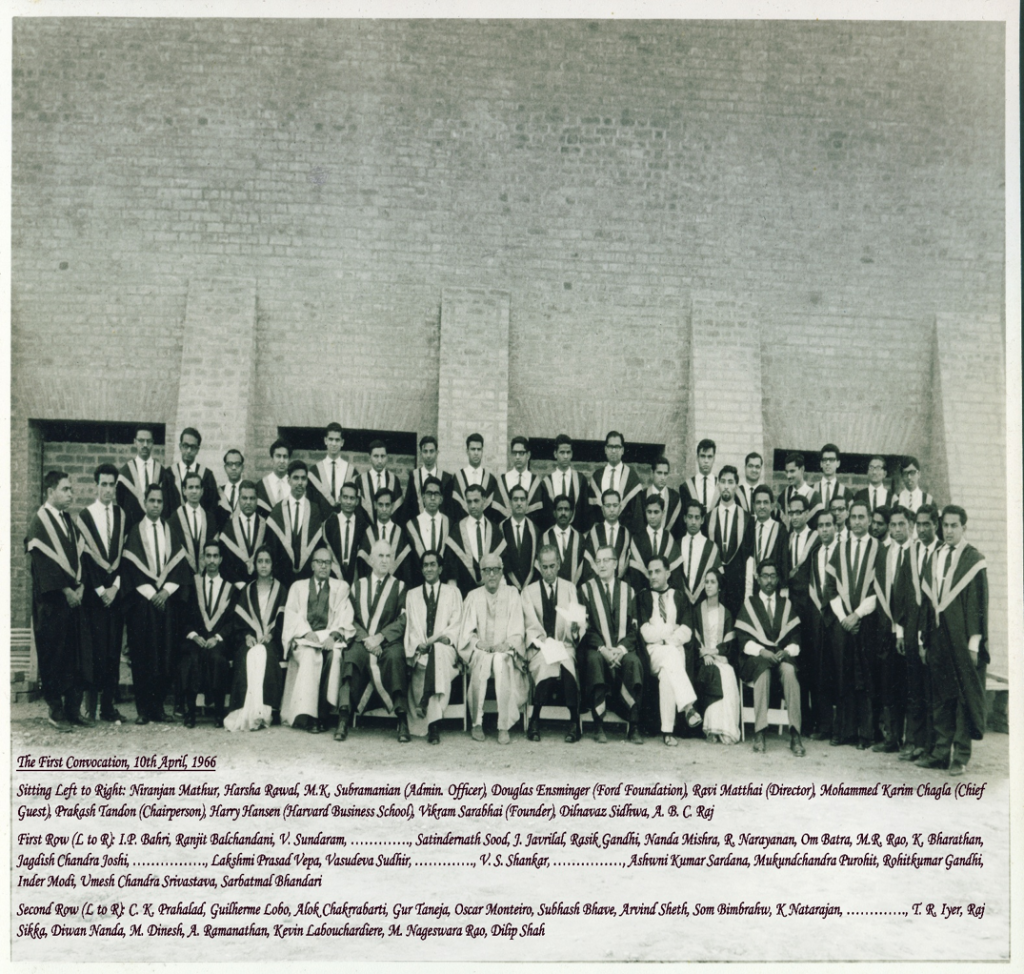
Photo Credits: IIMA Archives
After graduating from Loyola College, Chennai, Nanda joined IIM Ahmedabad’s pioneering PGP programme before beginning his professional journey at Hindustan Lever (now Hindustan Unilever), where he became the company’s first management trainee. Those formative years gave him a deep understanding of consumer behaviour, strategic management, and brand building, an understanding that would define his life’s work. He believed that communication was never merely about creating advertisements; it was about building enduring relationships between organisations and the people they served.
In 1973, together with Ajit Balakrishnan and Mohammed Khan, Diwan Arun Nanda co-founded Rediffusion, a bold entrepreneurial venture that challenged the dominance of multinational advertising agencies. At a time when Indian brands often looked outward for inspiration, Rediffusion demonstrated that strategic thinking rooted in Indian realities could compete with the very best in the world.
The philosophy that guided the agency was both simple and ambitious. As Nanda often said, Rediffusion aspired to create “advertising that becomes famous and part of the language and culture of the people.” Over the decades, that philosophy came to life through memorable work for brands including Garden Vareli, Gold Spot, Maruti, Airtel, Tata Sky, and many others. More importantly, Rediffusion helped establish branding as a strategic business discipline rather than merely a creative function, influencing the way Indian companies approached communication, identity, and long-term growth.
Reflecting on his remarkable contribution, Sandeep Goyal, Managing Director of Rediffusion, described Diwan Arun Nanda as one of the architects of modern Indian advertising and observed that he had built Rediffusion into the “platinum standard of Indian advertising.” The remark captures not merely the success of an agency, but the enduring professional standards that Nanda championed throughout his career. His leadership transformed Rediffusion into one of India’s most respected communications institutions and inspired generations of professionals who followed.
His influence also extended beyond the corporate world. During a transformative period in India’s public life, Nanda’s strategic counsel was sought in the field of public communication, including his association with Rajiv Gandhi’s communication initiatives. While his reputation was built primarily on corporate brand building, this broader engagement reflected the confidence that leaders placed in his judgement and understanding of communication as an instrument of trust and nation building.
As news of his passing spread, tributes from across the world painted a remarkably consistent portrait of the man behind the achievements. Richard Edelman, Chairman and CEO of Edelman, remembered him as “a fearless entrepreneur” whose understanding of business, culture, and communication shaped generations of professionals.

Yet perhaps Diwan Arun Nanda’s greatest achievement lay not in the campaigns that won acclaim, but in the institutions he built and the values he upheld. Throughout his career, he demonstrated that lasting success is founded on integrity, strategic thinking, and an unwavering belief in people. His advice to young professionals remained characteristically simple: “Be fearless.” It was a philosophy he lived throughout his entrepreneurial journey, choosing conviction over convention and innovation over comfort.
For IIMA, Diwan Arun Nanda’s story is inseparable from the Institute’s own history. As one of the pioneers who walked the iconic red-brick campus during its formative years, he belonged to the generation that first carried the values of IIMA into the wider world. Through his leadership, he demonstrated that management education was never merely about building successful careers; it was about building institutions, shaping industries, and contributing meaningfully to society.
The passing of Diwan Arun Nanda prompted an extraordinary outpouring of tributes from across India and beyond, reflecting the profound impact he had on business, communications, and public life. For the IIMA community, however, his legacy is not defined merely by the honours he received or the organisations he built. It is reflected in the example he set for generations of alumni who continue to walk the same red-brick corridors that once shaped his own journey.
In remembering one of its earliest graduates, IIM Ahmedabad remembers not only a distinguished alumnus, but a visionary whose life affirmed the enduring purpose of management education: to build institutions, inspire people, and create lasting value for society.
Editorial Note: This special tribute has been researched and compiled for The WIMWIAN using material from the IIMA Archives and publicly available commemorative articles, tributes, and reports published by Business Standard, Richard Edelman’s 6 A.M. Blog, Exchange4Media, The New Indian Express, Free Press Journal, and Rediffusion